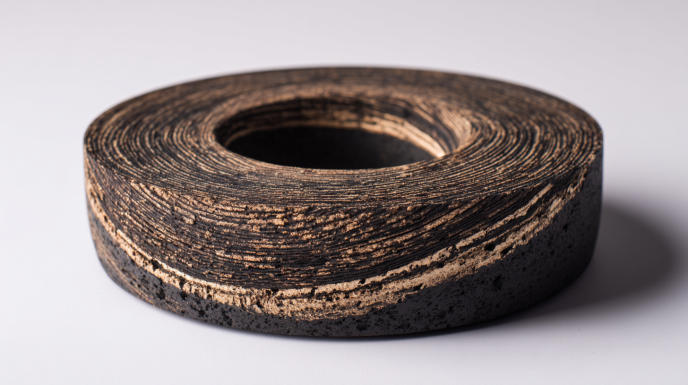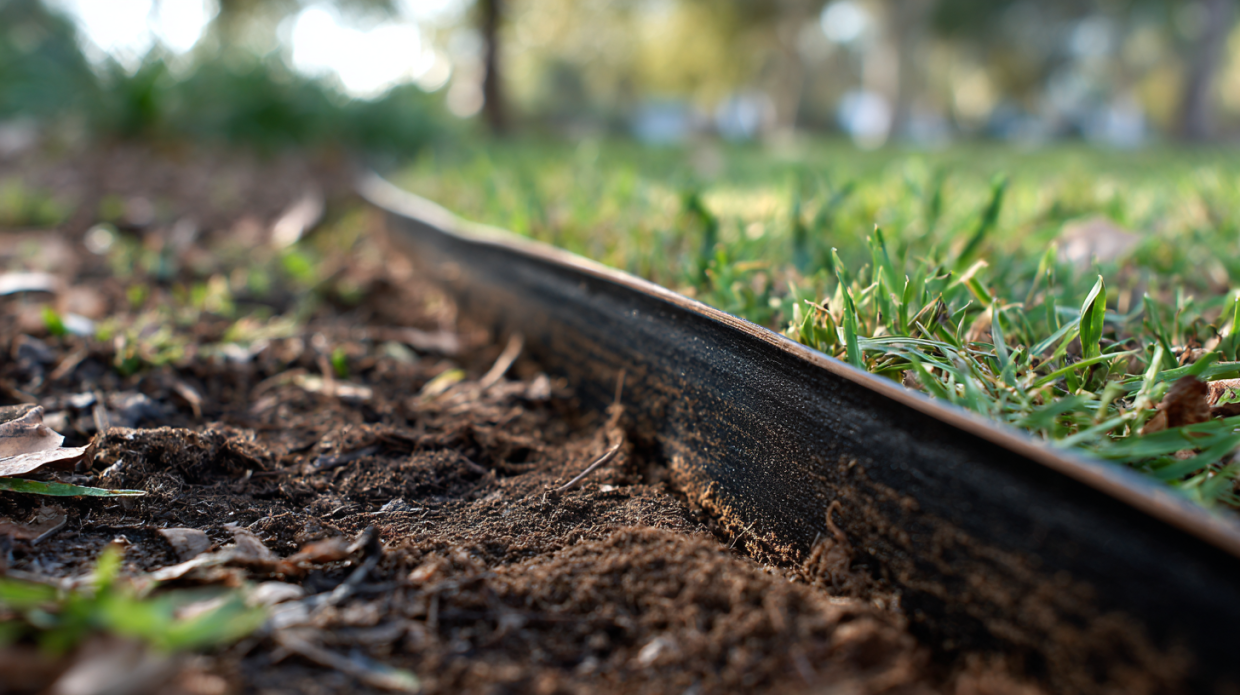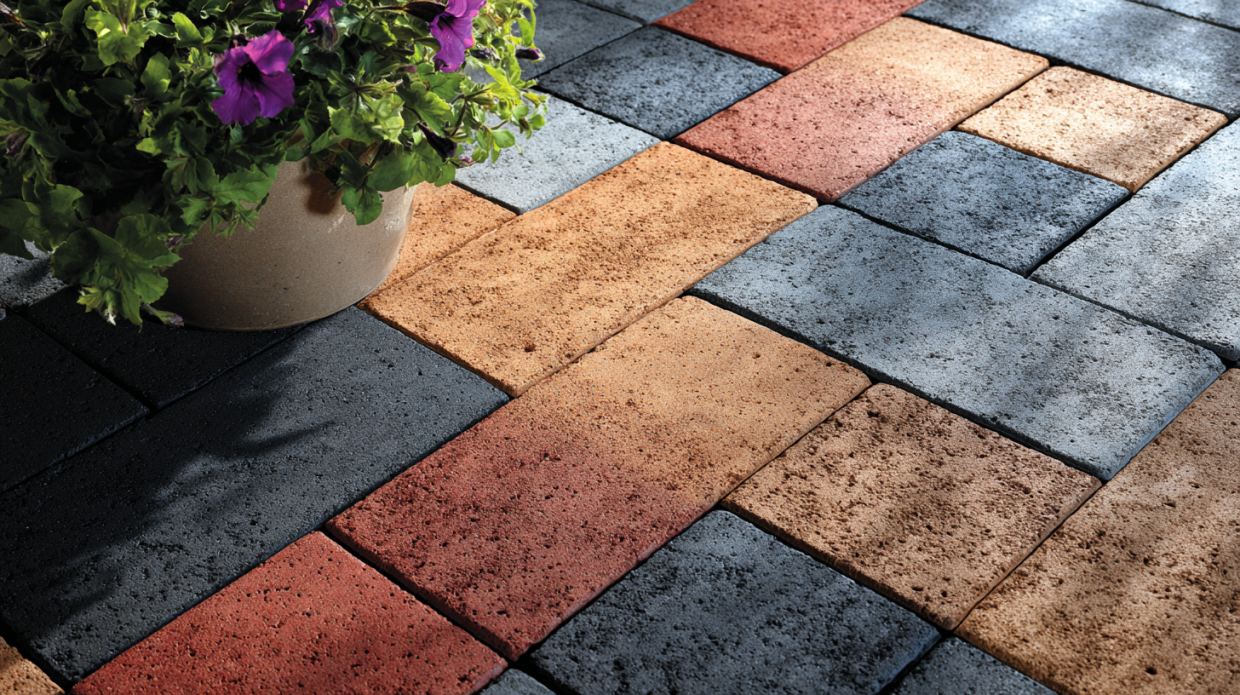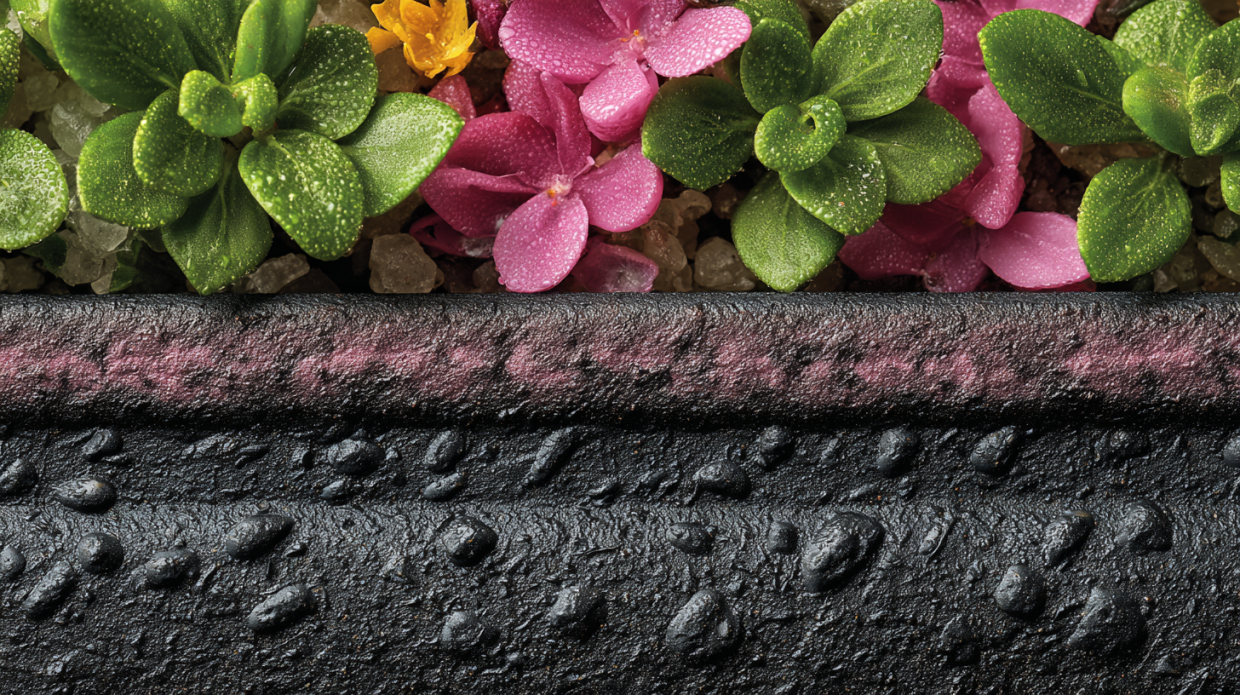
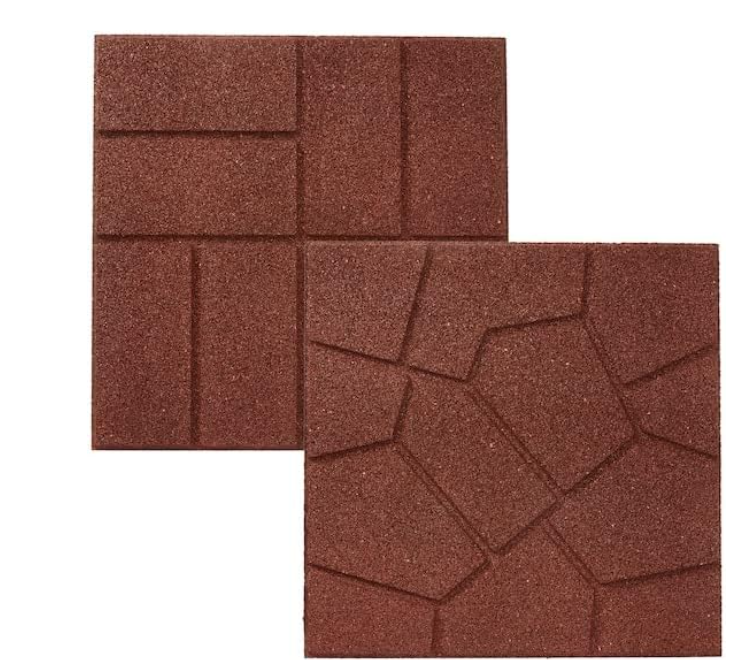
Rubberific Dual Sided Square Rubber Paver Floor Tiles 16″ X 16″ X 3/4″ Thick for Patios and Yards and Gardens (24, Red)
- Easy to install Bring new life to old patios, decks and floors
- Made 100% recycled rubber that will not freeze or crack
- Long – lasting and durable Will not freeze or crack
- Eco Friendly Made from 100% recycled rubber
Transform Your Landscape with Sustainable, Safe, and Stunning Recycled Rubber Solutions
The world of outdoor design is experiencing a quiet revolution, and it’s happening right beneath our feet. While traditional concrete and stone pavers have dominated patios, walkways, and outdoor spaces for decades, a new player has emerged that’s challenging everything we thought we knew about outdoor flooring. Enter Rubberific pavers – the innovative solution that’s transforming landscapes across the country with its perfect blend of sustainability, safety, and style.
Imagine walking across a surface that feels like a gentle embrace rather than the unforgiving hardness of concrete. Picture a patio where children can play without parents constantly worrying about scraped knees from inevitable tumbles. Envision an outdoor space that not only looks stunning but also tells a story of environmental responsibility with every step. This isn’t a fantasy – it’s the reality that Rubberific pavers are bringing to homeowners, businesses, and communities everywhere.
But what exactly are these game-changing pavers, and why are they creating such a stir in the landscaping world? The answer lies in their revolutionary composition and the myriad benefits they offer over traditional alternatives.
Understanding the Innovation: What Are Rubberific Pavers?
Rubberific pavers represent a paradigm shift in outdoor flooring technology. These ingenious products are crafted from recycled rubber, primarily sourced from old tires that would otherwise end up in landfills or incineration facilities. Through an advanced manufacturing process, this waste material is transformed into durable, attractive, and highly functional paving stones that can rival – and often surpass – traditional materials in both performance and aesthetics.
The beauty of Rubberific pavers lies not just in their environmental credentials, but in their versatility. These remarkable products are used for an incredibly diverse range of applications that span both residential and commercial settings. Homeowners discover that Rubberific pavers are perfect for creating stunning patios where families gather for summer barbecues and evening conversations. The natural cushioning effect makes these spaces more comfortable for extended periods of standing or sitting on the ground.
Walkways and garden paths take on new life with Rubberific pavers, providing safe passage through landscapes while maintaining the aesthetic appeal that property owners desire. The slip-resistant surface ensures that even morning dew or light rain won’t create hazardous conditions for daily foot traffic.
Playground designers and school administrators have embraced Rubberific pavers for creating safe play areas where children can run, jump, and explore without the harsh impact associated with concrete surfaces. The shock-absorbing properties significantly reduce the risk of injury from falls, making them an ideal choice for areas where active play is encouraged.
Pool decks and spa surroundings benefit enormously from the unique properties of Rubberific pavers. The non-slip surface remains safe even when wet, while the comfortable temperature regulation means no more burning feet on hot summer days. Unlike concrete, which can become scorching under direct sunlight, rubber pavers stay remarkably cool to the touch.
Commercial applications are equally impressive. Restaurants with outdoor dining areas, hotels with poolside lounging spaces, and retail establishments with outdoor displays all find that Rubberific pavers enhance both safety and customer experience. The professional appearance combined with practical benefits creates an ideal solution for businesses focused on both aesthetics and liability concerns.
The Art and Science of Installation
The installation process for Rubberific pavers is where their user-friendly design truly shines. Unlike traditional concrete pavers that require extensive excavation, precise grading, and professional installation expertise, Rubberific pavers are designed with the do-it-yourself enthusiast in mind, though professional installation remains an option for those who prefer it.
The installation journey begins with proper site preparation. While the requirements are less stringent than those for concrete pavers, attention to detail during this phase ensures optimal long-term performance. The area should be cleared of vegetation, debris, and any loose soil. A relatively level surface is important, though the flexibility of rubber pavers allows for minor imperfections that would be problematic with rigid materials.
Unlike concrete pavers that require a substantial base of compacted gravel and sand, Rubberific pavers can often be installed directly onto existing surfaces. This includes concrete slabs, wooden decks, or even well-compacted soil. The key is ensuring adequate drainage to prevent water accumulation beneath the pavers.
The actual laying process is surprisingly straightforward. Rubberific pavers are designed to interlock or fit together seamlessly, creating a unified surface without gaps that can collect debris or create tripping hazards. Their lightweight nature means that a single person can easily handle and position even the largest pavers, eliminating the need for heavy machinery or multiple workers that concrete installations often require.
One of the most appealing aspects of installing Rubberific pavers is the flexibility to make adjustments. If a paver needs to be repositioned or if the layout requires modification, these lightweight units can be easily lifted and moved without damage. This forgiving nature makes the installation process less stressful and more enjoyable for DIY enthusiasts.
For those who prefer professional installation, certified contractors familiar with Rubberific pavers can complete projects quickly and efficiently. The reduced labor requirements and simplified process often translate to lower installation costs compared to traditional paving materials, making professional installation more accessible to a broader range of budgets.
The Compelling Benefits Revolution
The benefits of choosing Rubberific pavers extend far beyond their innovative manufacturing and easy installation. These advantages touch every aspect of the user experience, from daily comfort to long-term value and environmental impact.
The comfort factor stands as perhaps the most immediately noticeable benefit. Anyone who has spent time on concrete patios or walkways during hot summer days knows the discomfort of burning surfaces and the hard impact on feet and joints. Rubberific pavers address both these issues with remarkable effectiveness. The natural insulating properties of rubber mean these surfaces remain comfortable to walk on even under direct sunlight, while the slight give in the material reduces impact stress on knees, ankles, and backs.
Safety represents another crucial advantage that cannot be overstated. The slip-resistant surface of Rubberific pavers provides superior traction in both dry and wet conditions. This characteristic makes them particularly valuable around pools, in areas prone to morning dew, or in climates with frequent light precipitation. The reduced slip risk translates to fewer accidents and lower liability concerns for both homeowners and businesses.
The cushioning effect of Rubberific pavers creates a safer environment for children and elderly individuals who may be more susceptible to injury from falls. While no surface can eliminate all risk, the shock-absorbing properties significantly reduce the impact force compared to concrete or stone alternatives.
From a maintenance perspective, Rubberific pavers offer substantial advantages over traditional materials. They don’t crack, chip, or develop the structural issues common with concrete pavers. Weeds don’t grow through them as easily as through traditional paver joints, and when cleaning is necessary, a simple rinse with water or mild soap solution is typically sufficient.
Weather resistance represents another significant benefit. Rubberific pavers are engineered to withstand extreme temperature variations without the expansion and contraction issues that plague concrete and stone materials. They won’t crack from freeze-thaw cycles, and they maintain their integrity through summer heat waves that can damage traditional paving materials.
The acoustic properties of rubber also contribute to a more pleasant outdoor environment. Rubberific pavers naturally absorb sound rather than reflecting it, creating quieter spaces that are more conducive to conversation and relaxation. This benefit is particularly appreciated in urban environments where noise reduction can significantly improve quality of life.
Durability: Built to Last
Questions about durability naturally arise when considering any alternative to traditional materials, and Rubberific pavers have a compelling story to tell in this regard. The durability of these innovative products stems from both the inherent properties of rubber and the advanced manufacturing processes used in their creation.
Rubber, as a material, possesses natural resilience that makes it ideal for outdoor applications. Unlike concrete, which is prone to cracking under stress or temperature changes, rubber maintains its integrity through expansion and contraction cycles. This flexibility allows Rubberific pavers to accommodate ground movement, settling, and thermal stress without developing the structural failures common in rigid materials.
The manufacturing process further enhances durability through the use of advanced bonding agents and UV stabilizers. These additives ensure that Rubberific pavers maintain their color and structural integrity even under constant exposure to sunlight, rain, snow, and temperature extremes. Independent testing has demonstrated that quality rubber pavers can maintain their appearance and performance characteristics for decades with minimal maintenance.
Real-world performance data supports these durability claims. Rubberific pavers installed in high-traffic commercial applications have shown remarkable longevity, maintaining their appearance and functionality years after installation. Residential installations report similar success, with homeowners noting that their rubber pavers look nearly as good as new even after years of family use, weather exposure, and normal wear.
The impact resistance of Rubberific pavers surpasses that of concrete in many scenarios. While a concrete paver might chip or crack if struck by a falling object or subjected to point loading, rubber pavers typically absorb the impact and return to their original shape without damage. This resilience makes them particularly suitable for areas where dropping tools, furniture movement, or other impacts might occur.
Chemical resistance represents another durability advantage. Rubberific pavers resist damage from common outdoor chemicals including pool chemicals, fertilizers, and cleaning products that might stain or damage traditional paving materials. This resistance extends their lifespan and maintains their appearance even in challenging chemical environments.
Sourcing and Availability
The growing popularity of Rubberific pavers has led to increased availability through multiple channels, making them accessible to consumers regardless of their location or project size. Understanding where and how to purchase these innovative products helps ensure that consumers can access authentic, quality materials for their projects.
Major home improvement retailers have recognized the demand for Rubberific pavers and now stock various styles and configurations in their stores and online platforms. This mainstream availability makes it easy for homeowners to see and feel the products before purchasing, an important consideration given the tactile nature of these materials.
Specialty landscaping suppliers often carry more extensive selections of Rubberific pavers, including commercial-grade options and specialized designs that might not be available through general retailers. These suppliers typically have knowledgeable staff who can provide guidance on selection, installation, and maintenance specific to rubber paving products.
Online marketplaces have made Rubberific pavers accessible to consumers in areas where local availability might be limited. Direct-to-consumer sales through manufacturer websites often provide the best selection and sometimes offer competitive pricing, particularly for larger projects where bulk purchasing becomes advantageous.
Professional contractors and landscapers often have access to commercial-grade Rubberific pavers and wholesale pricing that might not be available to individual consumers. For larger projects or installations requiring specific expertise, working through qualified professionals can provide access to premium products and ensure optimal installation results.
Regional distributors play a crucial role in making Rubberific pavers available across different geographic markets. These distributors often specialize in sustainable building materials and can provide valuable guidance on product selection based on local climate conditions and specific application requirements.
When sourcing Rubberific pavers, it’s important to verify that products meet industry standards for quality and performance. Reputable suppliers will provide specifications, warranties, and installation guidance that help ensure successful project outcomes.
Comparative Analysis: Rubber Meets Concrete
The comparison between Rubberific pavers and traditional concrete pavers reveals striking differences that extend across multiple performance categories. Understanding these differences helps consumers make informed decisions based on their specific needs, preferences, and project requirements.
From a comfort standpoint, the difference is immediately apparent to anyone who walks on both surfaces. Concrete pavers, while durable and widely accepted, create hard surfaces that can be unforgiving on feet and joints during extended use. The thermal mass of concrete also means these surfaces become extremely hot in direct sunlight, potentially causing discomfort or even burns on bare feet. Rubberific pavers address both these issues with their natural cushioning and thermal regulation properties.
Installation complexity represents another significant differentiator. Traditional concrete pavers require extensive site preparation including excavation, base material installation, compaction, and precise leveling. The weight of concrete pavers necessitates careful handling and often requires multiple people or equipment for larger installations. In contrast, Rubberific pavers can often be installed directly over existing surfaces with minimal preparation, and their lightweight nature makes them manageable for single-person installation.
Cost considerations extend beyond the initial purchase price to include installation and long-term maintenance expenses. While concrete pavers might have a lower material cost per square foot, the total project cost including proper installation often exceeds that of Rubberific pavers. The reduced labor requirements and simplified installation process for rubber pavers can result in significant savings, particularly for professional installations.
Maintenance requirements differ substantially between the two materials. Concrete pavers are susceptible to cracking, chipping, staining, and joint problems that require ongoing attention and repair. They may need periodic sealing to maintain appearance and prevent water damage. Rubberific pavers require minimal maintenance beyond occasional cleaning and don’t suffer from the structural issues that plague concrete installations.
Environmental impact considerations favor Rubberific pavers significantly. Concrete production requires substantial energy input and generates considerable carbon emissions, while rubber pavers utilize recycled materials that would otherwise contribute to waste streams. The manufacturing process for rubber pavers typically has a lower environmental footprint than concrete production.
Weather performance shows distinct advantages for Rubberific pavers in many climates. Concrete pavers are vulnerable to freeze-thaw damage in cold climates and can develop thermal stress cracks in hot climates. The flexibility of rubber allows these pavers to accommodate temperature variations without structural damage.
Environmental Stewardship and Sustainability
The environmental story of Rubberific pavers represents one of their most compelling advantages and reflects a growing consciousness about sustainable building practices. These innovative products embody the principles of circular economy by transforming waste materials into valuable, long-lasting building products.
The primary raw material for Rubberific pavers comes from recycled tires, a waste stream that historically posed significant environmental challenges. Millions of tires reach the end of their useful life annually, creating disposal problems for communities worldwide. Traditional disposal methods including landfilling and incineration both present environmental concerns, making tire recycling an important environmental priority.
By utilizing recycled rubber as their primary component, Rubberific pavers divert substantial quantities of tire waste from landfills and incineration facilities. Each square foot of rubber paving represents multiple recycled tires that have been given new life as functional building materials. This waste diversion alone represents a significant environmental benefit that continues throughout the product’s lifespan.
The manufacturing process for Rubberific pavers typically requires less energy than concrete production, resulting in lower carbon emissions during manufacturing. While concrete production involves energy-intensive processes including limestone quarrying, cement kiln operations, and transportation of heavy materials, rubber paver manufacturing focuses on processing and molding recycled materials with comparatively lower energy requirements.
Transportation impacts also favor Rubberific pavers due to their lightweight nature. A truck can carry significantly more square footage of rubber pavers than concrete pavers, reducing transportation fuel consumption and emissions per installed square foot. This efficiency extends through the distribution chain from manufacturer to retailer to end user.
The longevity of Rubberific pavers contributes to their environmental benefits by reducing replacement frequency. While concrete pavers might require replacement due to cracking, settling, or other structural issues, rubber pavers typically maintain their functionality for decades. This extended lifespan reduces the environmental impact associated with manufacturing and transportation of replacement materials.
At the end of their useful life, Rubberific pavers can potentially be recycled again, continuing the circular economy cycle. While concrete pavers often end up in landfills when replaced, rubber pavers can be reprocessed into new products, further extending their environmental benefits.
Water management represents another environmental consideration where Rubberific pavers can offer advantages. Many rubber paver designs allow for better water infiltration than solid concrete surfaces, reducing stormwater runoff and supporting groundwater recharge. This permeability can contribute to sustainable stormwater management practices.
Aesthetic Possibilities and Design Options
The design versatility of Rubberific pavers surprises many people who might initially assume that recycled materials necessarily compromise aesthetic appeal. Modern manufacturing techniques have enabled the creation of rubber pavers that rival traditional materials in appearance while offering unique design possibilities unavailable with concrete or stone.
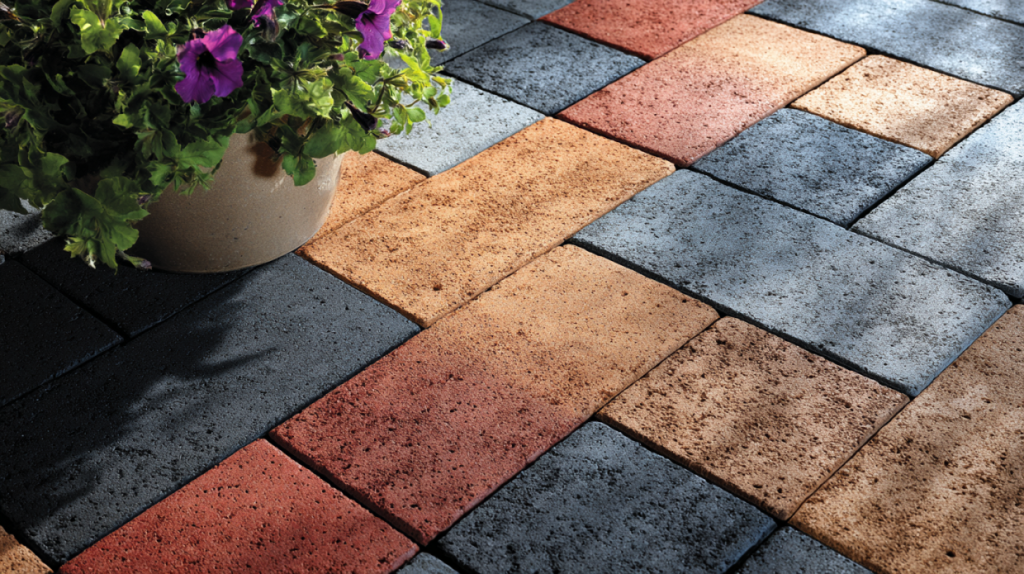
Color options for Rubberific pavers span a comprehensive range that accommodates virtually any design vision. From earth tones that complement natural landscapes to bold colors that create striking focal points, the palette available in rubber pavers often exceeds what’s practical with concrete alternatives. The color is typically integrated throughout the material during manufacturing, ensuring consistent appearance and reducing the fading issues common with surface-applied colorants.
Texture variations add another dimension to design possibilities. Rubberific pavers can be manufactured with smooth, textured, or patterned surfaces that provide both aesthetic appeal and functional benefits. Textured surfaces enhance slip resistance while adding visual interest, while smooth surfaces offer easy cleaning and maintenance in formal settings.
Size and shape options continue to expand as manufacturers respond to designer and consumer demands. Standard rectangular pavers work well for traditional installations, while specialty shapes enable creative patterns and custom designs. Some manufacturers offer interlocking designs that eliminate visible joints, creating seamless surfaces with unique visual appeal.
Pattern possibilities with Rubberific pavers include traditional arrangements like herringbone and basket weave, as well as contemporary designs that take advantage of the material’s flexibility and color options. Mixed-color installations can create striking visual effects that would be challenging or expensive to achieve with traditional materials.
The ability to cut Rubberific pavers to custom shapes opens additional design possibilities for unique installations. Unlike concrete pavers that require diamond blades and create dust when cut, rubber pavers can often be trimmed with standard tools, enabling precise fitting around irregular features like curved edges, circular patterns, or landscape elements.
Custom design services offered by some manufacturers allow for truly unique installations where pavers are manufactured to specific size, color, and pattern requirements. This capability enables architects and designers to create distinctive outdoor spaces that reflect individual vision while maintaining the practical benefits of rubber paving.
Safety and Performance in Wet Conditions
The performance of Rubberific pavers in wet conditions represents a crucial advantage that extends their suitability to applications where safety cannot be compromised. Understanding these characteristics helps explain why these innovative materials are increasingly chosen for pool areas, spa surroundings, and other locations where moisture is common.
The slip-resistant properties of Rubberific pavers stem from both their surface texture and the inherent characteristics of rubber as a material. Unlike smooth concrete or stone surfaces that can become treacherously slippery when wet, rubber naturally provides traction that helps prevent slips and falls. This traction remains effective even when surfaces are wet from rain, pool splashing, or cleaning activities.
Surface texture plays a crucial role in wet weather performance. Many Rubberific pavers feature subtle texturing that enhances grip without creating surfaces that are uncomfortable for bare feet. This balance between safety and comfort makes them particularly suitable for pool decks where people frequently walk barefoot and may be moving quickly between water and dry areas.
Drainage characteristics of Rubberific pavers contribute to their wet weather performance. Many designs incorporate drainage channels or slight surface slopes that help water move away from walking surfaces rather than pooling in potentially hazardous areas. This active water management reduces the duration of wet conditions and minimizes slip hazards.
The temperature regulation properties of rubber become particularly valuable around water features. While concrete and stone surfaces can become uncomfortably hot or cold depending on weather conditions, Rubberific pavers maintain more moderate temperatures that reduce the risk of thermal shock when transitioning between water and dry surfaces.
Pool deck applications showcase the wet weather advantages of Rubberific pavers most dramatically. The combination of slip resistance, comfortable surface temperature, and quick-drying properties creates an ideal environment for pool activities. Parents particularly appreciate the reduced slip risk for children who may be running or playing around pool areas.
Commercial applications in wet environments demonstrate the professional-grade performance of Rubberific pavers. Restaurants with outdoor dining areas, hotels with pool facilities, and recreational facilities all benefit from the reduced liability risk associated with slip-resistant surfaces that maintain their safety characteristics in various weather conditions.
Testing and certification programs validate the wet weather performance of quality Rubberific pavers. These standards ensure that products meet specific requirements for slip resistance and safety, providing consumers and professionals with confidence in their performance characteristics.
Economic Considerations and Value Analysis
The economic case for Rubberific pavers extends beyond simple price comparisons to encompass total cost of ownership, including installation, maintenance, and replacement considerations over the product lifecycle. This comprehensive analysis often reveals surprising value propositions that favor rubber pavers in many applications.
Initial material costs for Rubberific pavers typically fall within a competitive range compared to quality concrete pavers, though pricing varies based on size, style, and quantity purchased. While premium rubber pavers might cost more per square foot than basic concrete options, the comparison becomes more favorable when considering equivalent quality levels and specialized features like slip resistance or thermal regulation.
Installation cost savings often provide the most significant economic advantage for Rubberific pavers. The simplified installation process reduces labor requirements, potentially cutting installation costs by significant percentages compared to traditional paver installations. DIY-friendly characteristics mean that capable homeowners can complete installations themselves, eliminating labor costs entirely.
Tool and equipment requirements for installing Rubberific pavers are minimal compared to concrete installations. Traditional paver projects often require equipment rental for excavation, compaction, and materials handling. Rubber paver installations can typically be completed with basic hand tools, eliminating rental costs and making projects more accessible to budget-conscious consumers.
Long-term maintenance costs favor Rubberific pavers significantly. Concrete pavers may require periodic sealing, joint maintenance, crack repair, and eventual replacement of damaged units. Rubber pavers require minimal maintenance beyond occasional cleaning, with no sealing, joint repair, or structural maintenance typically needed throughout their lifespan.
Durability-related cost savings compound over time as Rubberific pavers avoid the replacement and repair cycles common with concrete installations. While concrete pavers might need partial or complete replacement within 10-15 years due to cracking, settling, or other issues, rubber pavers often provide decades of service without structural problems.
Energy cost considerations may apply in certain applications where the thermal properties of Rubberific pavers provide cooling benefits. By staying cooler than concrete surfaces, rubber pavers can reduce the heat island effect around buildings and potentially contribute to lower cooling costs for adjacent structures.
Property value implications of Rubberific pavers are increasingly positive as consumers become more aware of sustainable building materials and their benefits. Quality outdoor spaces created with innovative materials like rubber pavers can enhance property appeal and potentially contribute to higher resale values.
Commercial applications often realize additional economic benefits through reduced liability insurance costs due to the improved safety characteristics of slip-resistant rubber surfaces. These risk reduction benefits can provide ongoing operational savings that justify higher initial investments in safety-focused materials.
Maintenance and Longevity
The maintenance requirements for Rubberific pavers represent one of their most appealing characteristics for busy homeowners and commercial property managers alike. Understanding these requirements helps set appropriate expectations and ensures optimal performance throughout the product lifespan.
Daily maintenance for Rubberific pavers consists primarily of basic cleaning activities that most people perform routinely in outdoor spaces. Sweeping away leaves, debris, and loose dirt maintains appearance and prevents organic matter from accumulating in surface textures. This basic maintenance takes minutes and requires no special equipment or materials.
Periodic cleaning of Rubberific pavers typically involves nothing more than rinsing with water from a garden hose or pressure washer set to appropriate settings. The non-porous surface of rubber doesn’t absorb stains like concrete, making most cleaning tasks straightforward and effective. For areas with heavy use or specific staining issues, mild soap solutions can be used without concern for damage to the paver material.
Seasonal maintenance tasks are minimal compared to traditional paving materials. Rubberific pavers don’t require sealing, joint sand replacement, or other intensive maintenance procedures common with concrete installations. Fall leaf removal and spring cleaning represent the primary seasonal tasks, both of which are simplified by the smooth, non-porous surface of rubber pavers.
Stain resistance properties of Rubberific pavers reduce maintenance requirements in challenging environments. Pool chemicals, fertilizers, automotive fluids, and food spills that might permanently stain concrete surfaces typically clean easily from rubber pavers with basic cleaning methods. This resistance reduces the need for specialized cleaning products and intensive stain removal procedures.
Winter maintenance considerations vary by climate but generally favor Rubberific pavers over concrete alternatives. The flexibility of rubber means these pavers accommodate freeze-thaw cycles without cracking, eliminating the structural damage that often requires spring repairs on concrete installations. Snow removal can be performed with standard tools without concern for damage to the paver surface.
Long-term performance expectations for Rubberific pavers are based on both material properties and real-world installation data. Quality rubber pavers are engineered to provide decades of service with minimal degradation in appearance or performance. UV stabilizers protect against sun damage, while the inherent durability of rubber resists wear from foot traffic, weather, and normal use.
Troubleshooting common issues with Rubberific pavers is typically straightforward due to their forgiving nature. Individual pavers that might be damaged can usually be replaced without disturbing surrounding units. Settlement or shifting issues can often be corrected by lifting and releveling affected areas without the excavation and reconstruction required for concrete repairs.
Professional maintenance services for Rubberific pavers are rarely needed but can provide value for large commercial installations or situations where appearance standards are particularly demanding. These services might include deep cleaning, surface restoration, or systematic inspection and adjustment to maintain optimal performance.
Safety Profile for Families and Pets
The safety characteristics of Rubberific pavers extend beyond slip resistance to encompass a comprehensive profile that makes them particularly suitable for family environments and areas where pets spend time. Understanding these safety features helps families make informed decisions about creating secure outdoor spaces.
Child safety represents a primary consideration for many families choosing outdoor flooring materials. Rubberific pavers address multiple child safety concerns through their design and material properties. The cushioning effect reduces injury severity from inevitable falls during active play, while the slip-resistant surface minimizes the likelihood of slips and falls in the first place.
The thermal properties of Rubberific pavers provide important safety benefits for children who often play barefoot outdoors. Unlike concrete surfaces that can become burning hot in direct sunlight, rubber pavers maintain comfortable surface temperatures that won’t cause burns or discomfort on bare skin. This temperature regulation extends playing time and reduces the risk of heat-related injuries.
Chemical safety considerations favor Rubberific pavers for family environments. The non-toxic materials used in quality rubber pavers pose no health risks even with direct contact. Children who play on these surfaces and inevitably put hands in mouths don’t face exposure to harmful chemicals that might be present in treated or sealed concrete surfaces.
Pet safety benefits from Rubberific pavers include the same cushioning and thermal regulation advantages that benefit children. Dogs and cats that spend time on these surfaces experience reduced impact stress on joints and pads, while the comfortable surface temperature prevents paw burns on hot days. The non-slip surface also helps prevent pet injuries from slipping on wet surfaces.
Impact absorption properties of Rubberific pavers benefit family members of all ages but are particularly valuable for elderly individuals who may be more susceptible to injury from falls. The cushioning effect can reduce the severity of injuries when falls do occur, while the slip-resistant surface helps prevent many falls in the first place.
Surface hygiene considerations favor Rubberific pavers for areas where children and pets play. The non-porous surface doesn’t harbor bacteria or other microorganisms like concrete might, and cleaning is simple and effective. This hygiene advantage is particularly important for families with young children who play close to ground level.
Edge safety features of Rubberific pavers eliminate many of the sharp edges and corners common with concrete pavers that can cause cuts and scrapes. The slightly flexible nature of rubber creates more forgiving edges that reduce injury risk during active play or accidental contact.
Allergen considerations may favor Rubberific pavers for sensitive family members. Unlike stone or concrete surfaces that might harbor allergens in porous surfaces or joint materials, rubber pavers provide smooth, cleanable surfaces that don’t accumulate irritants.
Installation Customization and Flexibility
The adaptability of Rubberific pavers during installation opens creative possibilities that extend far beyond the limitations of traditional rigid paving materials. This flexibility enables custom solutions for unique spaces and challenging installation conditions that might be problematic with concrete alternatives.
Cutting and shaping capabilities allow Rubberific pavers to conform to irregular spaces and complex layouts. Unlike concrete pavers that require diamond blades and create significant dust when cut, rubber pavers can often be trimmed with standard carpentry tools. This workability enables precise fitting around curves, obstacles, and irregular boundaries without specialized equipment or professional expertise.
Custom pattern creation becomes practical with the cutting flexibility of Rubberific pavers. Installers can create unique designs by combining different sizes, colors, and shapes in ways that would be cost-prohibitive with custom concrete manufacturing. This capability enables personalized installations that reflect individual style preferences.
Substrate flexibility represents another installation advantage for Rubberific pavers. While concrete pavers require carefully prepared bases with specific materials and compaction requirements, rubber pavers can often be installed over existing surfaces including old concrete, wood decking, or compacted soil. This adaptability reduces installation complexity and cost while expanding application possibilities.
Elevation changes and slopes can be accommodated more easily with Rubberific pavers due to their flexible nature. The ability to conform slightly to underlying contours eliminates some of the precise grading requirements necessary for rigid paver installations. This flexibility can reduce site preparation costs and enable installations in areas that might be challenging for concrete pavers.
Temporary installation possibilities exist with Rubberific pavers that aren’t practical with traditional materials. Event planners and rental companies utilize rubber pavers for temporary flooring solutions that can be quickly installed and removed without damage to underlying surfaces. This capability extends to seasonal applications where permanent installation isn’t desired.
Mixed material integration allows Rubberific pavers to be combined with other landscape elements in creative ways. The flexible nature of rubber makes it compatible with various edging materials, while the ability to cut custom shapes enables seamless integration with existing hardscape features.
Repair and replacement flexibility provides long-term advantages for Rubberific pavers installations. Individual units can typically be removed and replaced without disturbing surrounding pavers, enabling easy repair of any damage or updating of specific areas. This modularity contrasts favorably with concrete installations where repairs often require extensive demolition and reconstruction.
Performance in Extreme Conditions
The resilience of Rubberific pavers under extreme weather conditions and challenging environmental factors demonstrates their suitability for diverse climates and demanding applications. Understanding this performance capability helps consumers confidently specify rubber pavers for locations with harsh environmental conditions.
Extreme temperature performance showcases the advantages of rubber’s material properties over rigid alternatives. Rubberific pavers maintain their flexibility and structural integrity through temperature swings that would cause concrete pavers to crack or fail. The ability to expand and contract without structural damage enables successful installations in climates with severe temperature variations.
Freeze-thaw resistance represents a critical performance factor in cold climates where traditional paving materials often fail. Rubberific pavers accommodate the expansion forces associated with freezing moisture without the cracking and structural damage common in concrete installations. This resistance eliminates the costly spring repair cycles typical with rigid paving materials in northern climates.
Heat resistance testing demonstrates that quality Rubberific pavers maintain their structural properties even under extreme heat conditions that might soften or damage lesser materials. UV stabilizers incorporated during manufacturing protect against sun damage and color fading, ensuring long-term appearance retention even in high-UV environments.
Chemical resistance capabilities extend the suitability of Rubberific pavers to challenging environments where exposure to deicing salts, pool chemicals, or industrial compounds might damage traditional materials. The non-reactive nature of rubber provides protection against chemical attack that could degrade concrete or stone surfaces.
Heavy load performance varies among different grades of Rubberific pavers, with commercial-grade products engineered to handle substantial weight loads without permanent deformation. While not suitable for vehicular traffic in most cases, quality rubber pavers can accommodate the loading from outdoor furniture, equipment, and normal pedestrian use without damage.
Coastal environment performance benefits from the corrosion resistance of rubber materials. Unlike concrete that can be damaged by salt air and water, Rubberific pavers resist degradation from marine environments, making them suitable for beachfront properties and other coastal applications.
High-traffic commercial environments demonstrate the durability of Rubberific pavers under demanding use conditions. Restaurants, hotels, and recreational facilities report successful long-term performance even with heavy foot traffic and intensive use patterns.
The Future of Outdoor Surfacing
As we look toward the future of outdoor design and sustainable building practices, Rubberific pavers represent more than just an alternative to traditional materials – they embody a fundamental shift in how we think about waste, sustainability, and performance in outdoor spaces. The growing acceptance and adoption of these innovative products suggests that we’re witnessing the early stages of a broader transformation in the paving industry.
The evolution continues as manufacturers respond to market feedback and technological advances. New formulations, improved manufacturing processes, and expanded design options are continuously emerging, making Rubberific pavers increasingly attractive to consumers who might have been hesitant to try alternative materials. This innovation cycle promises continued improvements in performance, aesthetics, and cost-effectiveness.
Environmental consciousness among consumers and regulatory pressure for sustainable building practices are driving increased interest in materials like Rubberific pavers that address waste streams while providing superior performance. This trend suggests that rubber paving will likely become more mainstream as environmental considerations become increasingly important in building material selection.
The success stories accumulating from early adopters provide compelling evidence for broader adoption of Rubberific pavers. Homeowners who have experienced the comfort, safety, and maintenance advantages share their positive experiences with neighbors and friends, creating organic demand growth that marketing alone couldn’t achieve.
Professional acceptance within the landscaping and construction industries continues to grow as contractors become familiar with the installation advantages and long-term performance of Rubberific pavers. This professional endorsement provides the credibility necessary for broader market acceptance.
The compelling combination of environmental responsibility, superior performance characteristics, and economic advantages positions Rubberific pavers as more than just a trend – they represent a fundamental improvement in outdoor surfacing technology. As more consumers discover these benefits firsthand, the quiet revolution in outdoor flooring will likely accelerate, transforming landscapes one installation at a time.
Whether you’re planning a new patio, updating pool decking, creating safe play areas, or designing commercial outdoor spaces, Rubberific pavers deserve serious consideration. They represent not just an innovative product, but a commitment to sustainability, safety, and performance that will benefit users for decades to come while contributing to a more sustainable future for all.