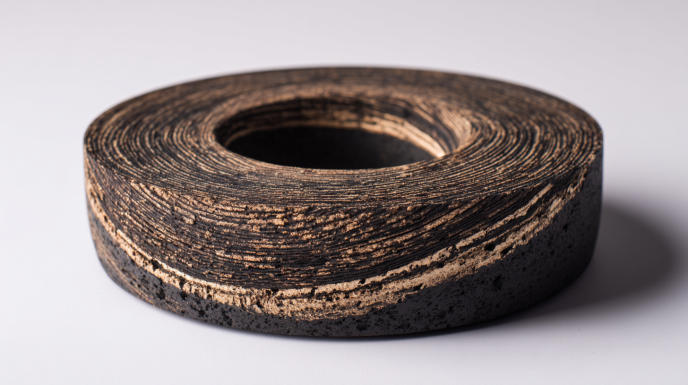
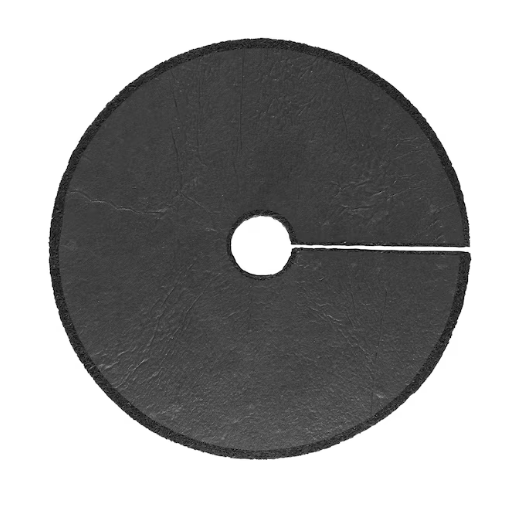
Rubberific Black recycled rubber Rubber 24-Inches Tree Ring
- Maintenance-free landscaping
- Takes only minutes to install
- This product is designed with weed fabric to suppress weed growth
- Made from 100% recycled rubber
- Made in USA
Discover How This Innovative Ground Cover Solution Is Reshaping Modern Gardening and Tree Care Practices
Picture this: you’re standing in your yard on a crisp Saturday morning, coffee in hand, surveying the landscape you’ve worked so hard to cultivate. Your trees stand majestically against the sky, but there’s something missing. The ground around their bases looks neglected, weeds are creeping in, and you can already envision the tedious hours you’ll spend this weekend trimming grass and pulling invasive plants from around each trunk. What if there was a better way?
Enter the Rubberific tree ring – a game-changing innovation that’s quietly revolutionizing how homeowners and landscaping professionals approach tree care and ground maintenance. This isn’t just another gardening gadget or temporary fix; it’s a comprehensive solution that addresses multiple challenges while contributing to environmental sustainability. But what exactly makes this product so special, and why are landscape enthusiasts across the country making the switch from traditional methods?
Understanding the Rubberific Tree Ring: More Than Meets the Eye
At its core, a Rubberific tree ring is a circular ground cover designed to encircle the base of trees, creating a protective and aesthetically pleasing barrier. But to describe it simply as “tree protection” would be like calling a smartphone just a phone – it dramatically undersells the multifaceted benefits this innovative product delivers.
Rubberific tree rings serve multiple critical functions in tree care and landscape maintenance. They act as a protective shield against mechanical damage from lawn mowers and string trimmers, create an optimal growing environment for tree roots, suppress weed growth, retain soil moisture, and provide a finished, professional appearance to any landscape design.
The primary purpose extends far beyond mere protection. These rings create what arborists call a “tree wellness zone” – a dedicated space where the tree’s root system can thrive without competition from grass and weeds, while simultaneously receiving the proper moisture retention and soil temperature regulation that promotes healthy growth.
The Art and Science of Installation: Simplicity Meets Effectiveness
Installing a Rubberific tree ring is refreshingly straightforward, making it accessible to homeowners regardless of their gardening experience. The process begins with selecting the appropriate size ring for your tree. Generally, you’ll want to choose a diameter that extends at least three feet from the trunk, though larger trees benefit from wider rings.
The installation process starts with clearing the area around the tree of any existing grass, weeds, or debris. This creates a clean slate for your new tree ring. Some gardeners prefer to apply a thin layer of landscape fabric beneath the ring for additional weed suppression, though this isn’t strictly necessary given the ring’s inherent weed-blocking properties.
Once the area is prepared, simply position the Rubberific tree ring around the tree trunk, ensuring it sits level with the surrounding ground. The flexible nature of the material allows for easy positioning, and many models can be cut or adjusted for a perfect fit around irregular trunk shapes or surface roots.
One of the most appreciated aspects of installation is that it requires no special tools, adhesives, or professional assistance. The rings are designed to stay in place through their own weight and the natural settling that occurs over time. This user-friendly approach means you can transform your landscape in an afternoon rather than over several weekends.
The Comprehensive Benefits: Why Rubberific Tree Rings Are Game-Changers
The benefits of implementing Rubberific tree rings extend far beyond their initial appeal. Tree health improvement stands as perhaps the most significant advantage. By eliminating grass and weed competition around the root zone, trees can access nutrients and water more efficiently. This reduction in competition often results in improved growth rates, enhanced drought tolerance, and overall tree vitality.
Maintenance reduction represents another compelling benefit. Homeowners quickly discover that Rubberific tree rings eliminate the need for careful trimming around tree bases, reduce the frequency of weeding, and minimize the risk of accidental damage from lawn care equipment. This translates to hours of saved time each growing season and reduced stress about potential tree damage.
The aesthetic improvement cannot be understated. Rubberific tree rings provide a clean, finished appearance that instantly elevates the professional look of any landscape. They create visual definition and help organize outdoor spaces in a way that traditional mulch or bare earth simply cannot match.
From an environmental perspective, these rings contribute to water conservation by reducing evaporation and improving soil moisture retention. They also minimize the need for chemical herbicides around tree bases, supporting a more natural and eco-friendly approach to landscape maintenance.
Safety First: Protecting Your Trees and Environment
Tree safety represents a paramount concern for any tree care product, and Rubberific tree rings excel in this critical area. Unlike some synthetic materials that can create heat buildup or chemical concerns, these rings are designed to work in harmony with natural tree biology.
The material composition allows for proper air and water circulation, preventing the anaerobic conditions that can lead to root rot or fungal issues. The rings don’t create a sealed barrier but rather a permeable ground cover that maintains healthy soil conditions while providing protection and weed suppression.
Temperature regulation is another safety benefit. Rubberific tree rings help moderate soil temperature fluctuations, protecting roots from extreme heat in summer and providing insulation during winter months. This thermal stability contributes to reduced tree stress and improved survival rates, particularly for newly planted or young trees.
The absence of sharp edges or degrading materials means Rubberific tree rings won’t harm wildlife or create hazardous conditions around your trees. They’re designed to be pet-safe and won’t leach harmful chemicals into the soil system.
Sourcing Your Rubberific Tree Ring: Availability and Options
Rubberific tree rings have gained widespread availability through multiple channels, reflecting their growing popularity among both professional landscapers and homeowners. Major home improvement retailers, garden centers, and online marketplaces all typically stock various sizes and styles.
Local nurseries often carry Rubberific tree rings and can provide valuable advice on sizing and installation for your specific tree species and local growing conditions. Many landscaping supply companies also stock these products and may offer volume discounts for larger projects or multiple tree applications.
Online purchasing provides the widest selection of sizes, colors, and styles, along with the convenience of home delivery. This option is particularly valuable for homeowners planning comprehensive landscape updates or those in areas where local availability may be limited.
When sourcing your Rubberific tree rings, consider purchasing slightly larger sizes than you think you’ll need. Trees grow, and having rings that can accommodate future growth eliminates the need for replacements in just a few years.
Rubberific Tree Rings vs. Traditional Mulch: A Comprehensive Comparison
The comparison between Rubberific tree rings and traditional organic mulch reveals distinct advantages for each approach, but also highlights why many people are making the switch to synthetic alternatives.
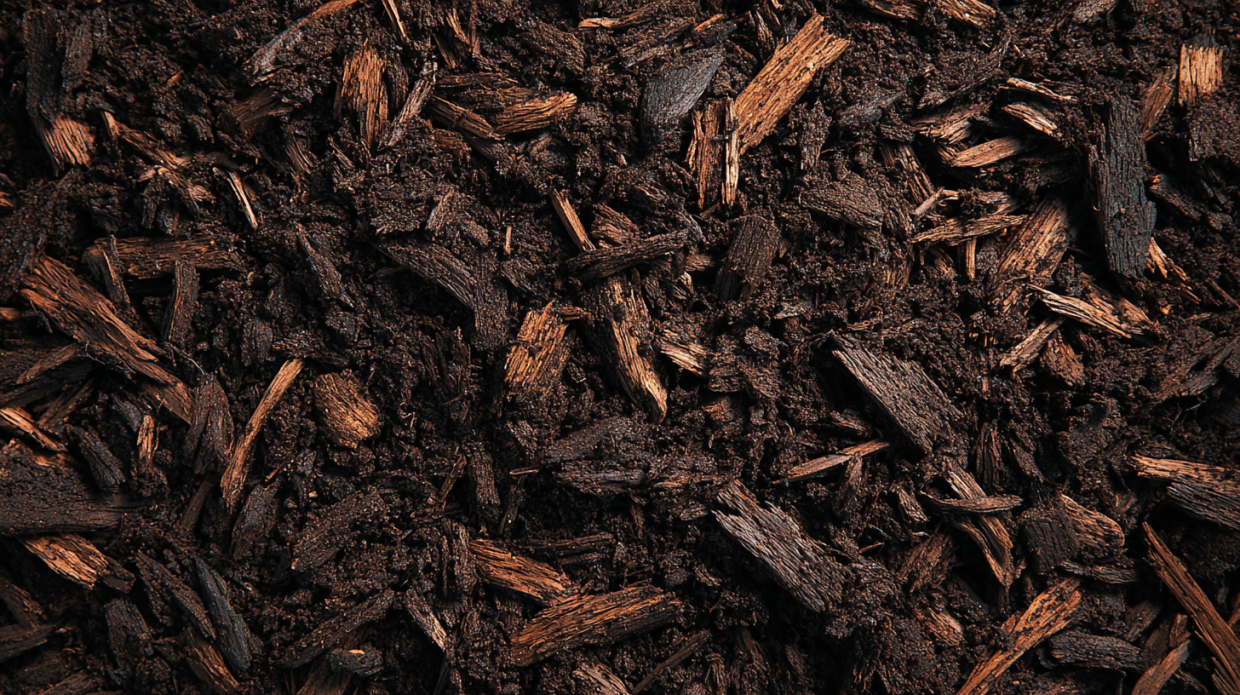
Traditional mulch offers the advantage of breaking down over time, adding organic matter to the soil and providing nutrients as it decomposes. However, this same characteristic means constant reapplication, typically requiring fresh mulch every one to two years. The ongoing cost and labor can be substantial over time.
Rubberific tree rings, conversely, provide long-term stability without the need for regular replacement. They maintain their appearance and effectiveness year after year, making them more cost-effective in the long run despite higher initial investment.
Weed suppression presents another area where Rubberific tree rings excel. While organic mulch can suppress weeds initially, it often becomes a growing medium for weed seeds as it breaks down. The synthetic nature of Rubberific tree rings prevents this issue, providing consistent weed suppression throughout their lifespan.
Maintenance requirements differ significantly between the two options. Traditional mulch requires annual or bi-annual replenishment, seasonal freshening, and occasional mixing or turning to maintain appearance. Rubberific tree rings require virtually no maintenance beyond occasional cleaning to remove accumulated debris.
Weather resistance strongly favors Rubberific tree rings. Heavy rains can wash away organic mulch, strong winds can scatter it, and extreme temperatures can accelerate decomposition. Synthetic rings remain stable through all weather conditions, maintaining their protective and aesthetic functions regardless of environmental challenges.
Material Composition and Environmental Impact
Understanding what goes into Rubberific tree rings provides insight into both their performance characteristics and environmental implications. These innovative products are typically manufactured from recycled rubber materials, often sourced from used tires and other rubber products that would otherwise contribute to landfill waste.
The recycling aspect of Rubberific tree rings represents a significant environmental benefit. By repurposing existing rubber materials into useful landscape products, these rings contribute to waste reduction and resource conservation. This circular economy approach transforms what would be waste into valuable, long-lasting landscape solutions.
The manufacturing process involves cleaning, processing, and molding recycled rubber into durable, weather-resistant rings. Advanced processing techniques ensure the final product is free from steel belting, fabric, and other tire components that could be problematic in landscape applications.
Modern Rubberific tree rings are engineered to be non-toxic and safe for soil contact. They won’t leach harmful chemicals into the ground or negatively impact soil biology, making them safe for use around food plants, in children’s play areas, and near water sources.
Weed Prevention: The Science Behind the Success
The weed prevention capabilities of Rubberific tree rings stem from multiple mechanisms working in concert to create an environment hostile to weed establishment and growth. Physical barrier creation represents the most obvious mechanism – the solid surface prevents most weed seeds from reaching the soil where they could germinate.
Light exclusion plays an equally important role. Many weed seeds require light exposure to trigger germination, and Rubberific tree rings effectively block this light, preventing seed activation even if seeds manage to reach the soil surface through cracks or edges.
Temperature modification also contributes to weed suppression. The rings create a different thermal environment at the soil surface, which can inhibit the germination of certain weed species while promoting conditions favorable to tree root development.
The elimination of edge effects represents another significant advantage. Traditional mulch often creates edges where weeds can establish, gradually working their way into the mulched area. Rubberific tree rings create clean, defined boundaries that are much more difficult for weeds to breach.
Unlike organic mulches that can become weed-growing substrates as they decompose, Rubberific tree rings maintain their weed-suppressing properties throughout their lifespan. This consistency means reliable, long-term weed control without the gradual degradation that affects other weed prevention methods.
Environmental Responsibility and Eco-Friendliness
The environmental credentials of Rubberific tree rings extend beyond their recycled material content to encompass their entire lifecycle impact. By providing long-term functionality without replacement needs, these rings reduce the ongoing environmental costs associated with producing, transporting, and applying organic mulches year after year.
Water conservation represents a significant environmental benefit. Rubberific tree rings reduce evaporation from the soil surface, helping maintain soil moisture levels with less irrigation input. This water conservation becomes increasingly important in regions experiencing drought conditions or water use restrictions.
The reduction in chemical herbicide use around trees provides another environmental advantage. Because Rubberific tree rings provide excellent weed suppression, there’s less need for chemical treatments to maintain clean areas around tree bases. This reduction supports soil health, protects groundwater, and creates safer environments for beneficial insects and wildlife.
Carbon footprint considerations also favor Rubberific tree rings over repeatedly replaced organic mulches. While the initial manufacturing process does have environmental costs, the long lifespan of synthetic rings means these costs are amortized over many years, often resulting in lower overall carbon impact compared to annual mulch applications.
Universal Application: Suitable for All Tree Types
One of the most appealing aspects of Rubberific tree rings is their versatility across different tree species, ages, and growing conditions. From newly planted saplings to mature shade trees, these rings provide benefits that scale with tree size and needs.
Young trees particularly benefit from Rubberific tree rings because they face the greatest competition from grass and weeds while their root systems are still developing. The rings provide crucial protection during this vulnerable establishment period, often improving survival rates and accelerating early growth.
Mature trees also derive significant advantages, particularly in terms of protection from mechanical damage and reduced maintenance requirements. For large trees with extensive root systems, Rubberific tree rings create defined spaces that prevent soil compaction from foot traffic while maintaining the aesthetic appeal of the landscape.
Different tree species have varying tolerance levels for root zone disturbance, and Rubberific tree rings accommodate these differences well. Shallow-rooted species benefit from the protection against surface damage, while deep-rooted trees appreciate the reduced competition and improved moisture retention.
Fruit trees represent a particularly good application for Rubberific tree rings. The rings eliminate the need for herbicide applications near food-producing plants while providing the clean, maintenance-friendly environment that commercial orchards require for efficient operation.
Size Options and Customization Possibilities
Rubberific tree rings are available in a comprehensive range of sizes to accommodate virtually any tree application. Standard diameters typically range from 24 inches for small ornamental trees up to 48 inches or larger for mature shade trees.
The sizing strategy should consider both current tree size and anticipated growth. A ring that seems adequately sized for a young tree may become restrictive as the tree matures, so choosing slightly larger rings often proves more economical in the long run.
Custom sizing represents another advantage of Rubberific tree rings. Many products can be easily cut or modified to accommodate specific installation requirements. This flexibility allows for perfect fits around irregularly shaped trees, surface roots, or unique landscape features.
Multiple ring combinations can create larger protected areas for tree groups or unique landscape designs. Some landscapers use overlapping rings to create flowing, organic shapes that accommodate multiple trees while maintaining the clean appearance and functional benefits of individual rings.
The thickness options available also cater to different applications and preferences. Thicker rings provide more substantial appearance and may offer enhanced durability, while thinner options work well for subtle applications or budget-conscious projects.
Economic Considerations: Cost Analysis and Value Proposition
Understanding the economics of Rubberific tree rings requires looking beyond initial purchase price to consider long-term value and cost savings. While the upfront investment may exceed that of traditional mulch, the economic picture shifts dramatically when viewed over multiple years.
Initial costs typically range from moderate to premium depending on size and quality, but this one-time investment replaces ongoing mulch purchases that can accumulate substantial costs over time. Many homeowners find that Rubberific tree rings pay for themselves within two to three years through eliminated mulch replacement costs.
Labor savings represent another significant economic benefit. The time saved from not having to reapply mulch, trim around trees carefully, and weed around tree bases translates to real value for homeowners who either do the work themselves or pay for landscape maintenance services.
Property value enhancement should also factor into economic considerations. Well-maintained landscapes with professional-looking tree rings often contribute to improved curb appeal and property valuations, making the rings an investment in property value as well as landscape function.
Bulk purchasing can reduce per-unit costs significantly for homeowners with multiple trees or landscaping professionals handling larger projects. Many suppliers offer quantity discounts that make larger installations more economically attractive.
Weather Resistance and Durability Testing
The weather resistance of Rubberific tree rings has been extensively tested across diverse climate conditions, from extreme heat and UV exposure to freeze-thaw cycles and severe precipitation events. These comprehensive tests ensure the rings maintain their structural integrity and appearance regardless of environmental challenges.
UV resistance represents a critical performance factor, as continuous sun exposure can degrade many synthetic materials over time. Rubberific tree rings incorporate UV stabilizers and pigment systems designed to resist fading and brittleness even under intense solar radiation.
Temperature extremes test the flexibility and structural integrity of any outdoor product. Rubberific tree rings maintain their flexibility in cold conditions while resisting softening or deformation in high heat. This temperature stability ensures consistent performance across seasonal variations.
Moisture resistance prevents the degradation issues that can affect other materials. Unlike organic mulches that can harbor pests or develop fungal problems under wet conditions, Rubberific tree rings shed water effectively while allowing proper drainage around tree roots.
Wind resistance comes from the rings’ weight and profile design. They’re heavy enough to stay in place during normal wind events but low-profile enough to avoid creating excessive wind resistance that could cause uplift or displacement during severe weather.
Water Management and Root Health
Effective water management represents one of the most crucial aspects of tree care, and Rubberific tree rings excel in optimizing moisture conditions around tree roots. The rings create a microenvironment that balances water retention with proper drainage, promoting healthy root development and tree growth.
Evaporation reduction is perhaps the most immediate water management benefit. By covering the soil surface, Rubberific tree rings significantly reduce water loss to evaporation, meaning more irrigation water reaches and remains available to tree roots. This efficiency becomes particularly valuable during drought conditions or in areas with water use restrictions.
The permeability of Rubberific tree rings allows rainfall and irrigation water to penetrate to the root zone while preventing rapid surface runoff. This balanced approach ensures trees receive adequate moisture without creating waterlogged conditions that can damage root systems.
Soil temperature moderation also impacts water management. By insulating the soil surface, Rubberific tree rings reduce extreme temperature fluctuations that can stress roots and affect water uptake efficiency. This thermal stability promotes more consistent root growth and water absorption.
The elimination of grass and weed competition means tree roots have exclusive access to available soil moisture. This reduced competition often results in improved drought tolerance and less frequent irrigation requirements, contributing to both tree health and water conservation.
Longevity and Lifecycle Performance
The longevity of Rubberific tree rings represents one of their most compelling features, with properly installed rings typically lasting 10-15 years or more under normal conditions. This extended lifespan provides exceptional value compared to annually replaced organic mulches and demonstrates the product’s inherent durability.
Quality manufacturing using premium recycled rubber materials ensures Rubberific tree rings can withstand the constant exposure to UV radiation, temperature fluctuations, and moisture cycles that characterize outdoor environments. The material composition is specifically engineered to resist the degradation that affects lesser synthetic products.
Performance consistency throughout the product lifespan means Rubberific tree rings continue providing weed suppression, moisture retention, and tree protection benefits year after year without significant degradation. This consistent performance contrasts sharply with organic mulches that lose effectiveness as they decompose.
End-of-life considerations reflect the environmental consciousness built into Rubberific tree rings. When rings eventually do need replacement, the rubber material can often be recycled again, continuing the circular economy approach that makes these products environmentally responsible choices.
Maintenance throughout the lifespan remains minimal, typically involving only occasional cleaning to remove accumulated leaves or debris. This low-maintenance characteristic contributes to the long-term value proposition and user satisfaction with Rubberific tree rings.
Customization and Aesthetic Flexibility
The customization capabilities of Rubberific tree rings extend far beyond basic sizing to encompass various aesthetic and functional modifications that allow perfect integration into any landscape design. Professional landscapers and homeowners alike appreciate this flexibility for creating cohesive, attractive outdoor environments.
Cutting and shaping options allow Rubberific tree rings to accommodate unique situations like surface roots, irregular trunk shapes, or specific landscape features. Sharp utility knives or specialized cutting tools can modify ring shapes without compromising structural integrity, enabling custom fits that look professionally installed.
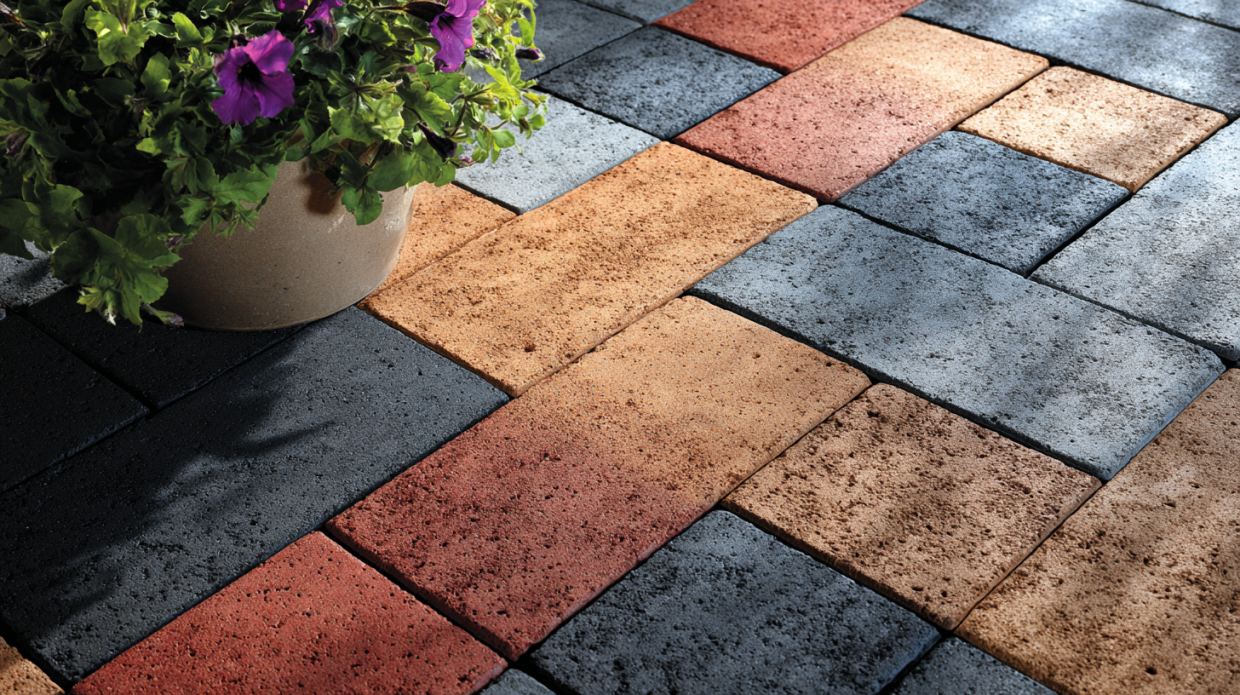
Color coordination opportunities help Rubberific tree rings complement existing landscape elements. Available color options typically include natural tones that blend seamlessly with organic landscape materials, as well as bolder choices that can create striking accent features or coordinate with architectural elements.
Multiple ring combinations can create larger protected areas or unique design patterns. Some landscape designs incorporate overlapping rings, concentric patterns, or flowing arrangements that connect multiple trees while maintaining individual protection zones. These creative applications demonstrate the versatility of Rubberific tree rings beyond simple individual tree protection.
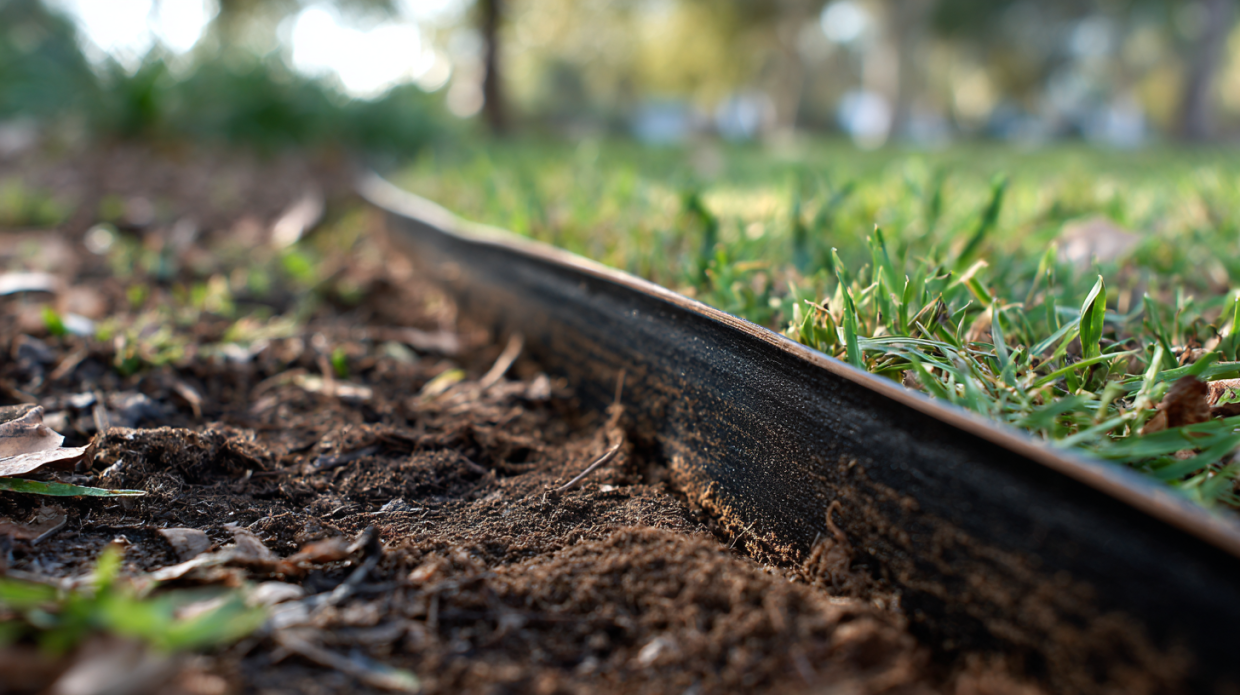
Edge treatment options allow for seamless integration with surrounding landscape materials. Rings can be partially buried, surrounded with decorative stones, or integrated with other ground covers to create smooth transitions that enhance overall landscape aesthetics.
Protection Against Mechanical Damage
Mechanical damage from lawn mowers, string trimmers, and other maintenance equipment represents one of the leading causes of tree injury in residential and commercial landscapes. Rubberific tree rings provide comprehensive protection against these common hazards while eliminating the need for careful maneuvering around tree bases during routine maintenance.
Mower protection is perhaps the most immediately apparent benefit. The rings create a clear boundary that prevents mower operators from getting too close to tree trunks, eliminating the bark damage that can occur when mowers contact tree bases. This protection becomes particularly important for young trees with thin bark that’s especially vulnerable to mechanical injury.
String trimmer damage prevention addresses another common source of tree injury. The rings eliminate the need for trimming close to tree trunks, preventing the bark scarring and girdling that can result from overzealous string trimmer use. This protection is valuable for trees of all ages but particularly crucial for young specimens.
The visual definition provided by Rubberific tree rings helps maintenance crews and homeowners recognize protected tree zones, reducing accidental damage from foot traffic, equipment, or landscape activities. This awareness factor contributes significantly to overall tree protection beyond just physical barrier functions.
Construction and renovation protection extends the mechanical damage prevention benefits to situations where heavy equipment or construction activities occur near trees. The rings provide clear visual markers for tree protection zones while offering some physical protection against minor impacts.
Color Options and Aesthetic Integration
The aesthetic impact of Rubberific tree rings extends far beyond their functional benefits, with color options and design flexibility that allow seamless integration into virtually any landscape style or color scheme. Professional landscape designers increasingly incorporate these rings as design elements rather than merely functional additions.
Natural color options typically include various shades of brown and black that blend harmoniously with organic landscape materials. These earth tones provide subtle definition without creating stark contrasts that might disrupt landscape flow. Brown tones particularly complement traditional landscape designs and coordinate well with natural mulches used elsewhere in the garden.
Bold color choices enable Rubberific tree rings to serve as accent features that complement architectural elements or seasonal color schemes. Some manufacturers offer rings in colors that coordinate with outdoor furniture, planters, or building materials, creating cohesive design themes throughout the landscape.
Color stability throughout the product lifespan ensures Rubberific tree rings maintain their aesthetic appeal year after year. Advanced pigment systems and UV stabilizers prevent the fading and color shift that can affect lower-quality synthetic products, maintaining consistent appearance that supports long-term landscape design goals.
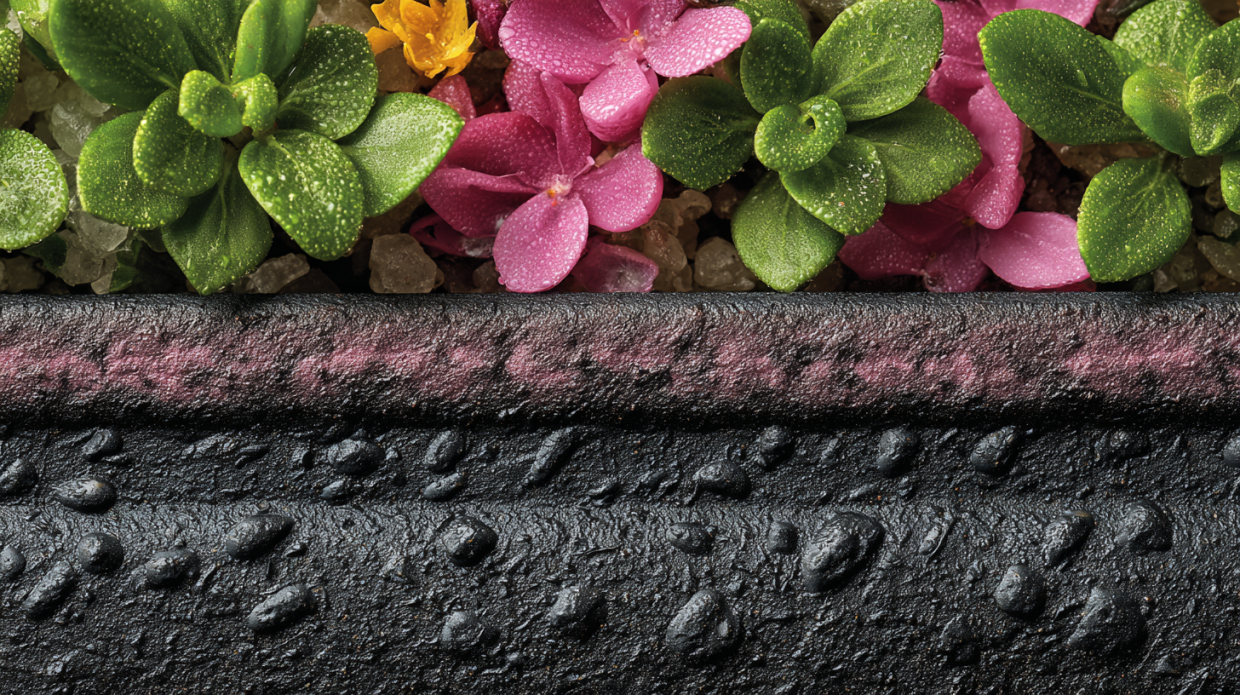
The matte finish typical of quality Rubberific tree rings provides sophisticated appearance without the artificial glossiness that can make synthetic products look out of place in natural settings. This subtle surface treatment helps the rings integrate naturally while providing the clean, finished appearance that elevates overall landscape aesthetics.
Maintenance-Free Benefits and Long-Term Performance
The maintenance-free nature of Rubberific tree rings represents perhaps their most appreciated benefit among busy homeowners and cost-conscious property managers. Unlike organic mulches that require regular replacement and freshening, these synthetic rings provide consistent performance with virtually no ongoing maintenance requirements.
Seasonal maintenance elimination means no more annual mulch application, mixing, or replacement activities. Homeowners can redirect the time and energy previously spent on mulch maintenance to other landscape activities or simply enjoy more free time during growing seasons. This benefit becomes increasingly valuable as landscapes mature and maintenance demands typically increase.
Weed control consistency eliminates the gradual weed encroachment that affects organic mulches as they decompose. Rubberific tree rings maintain their weed-suppressing properties throughout their lifespan, providing reliable, long-term protection without herbicide applications or manual weeding around tree bases.
Weather damage resistance means Rubberific tree rings don’t require post-storm cleanup or replacement like organic mulches that can be washed away or scattered by severe weather. This stability provides peace of mind during storm seasons and reduces ongoing landscape maintenance burdens.
The occasional cleaning that Rubberific tree rings may require involves simply removing accumulated leaves or debris, typically accomplished quickly with a leaf blower or rake. This minimal maintenance requirement contrasts dramatically with the substantial ongoing care requirements of alternative ground cover methods.
Performance Reviews and User Satisfaction
Real-world performance reviews of Rubberific tree rings consistently highlight exceptional user satisfaction across diverse applications and geographic regions. Homeowners, landscape professionals, and property managers report positive experiences that validate the theoretical benefits with practical, measurable results.
Installation ease receives consistently high ratings from users who appreciate the straightforward process and immediate results. Many reviews specifically mention the satisfaction of completing a professional-looking landscape improvement in a single afternoon without special tools or expertise requirements.
Long-term performance satisfaction appears in reviews from users who have had Rubberific tree rings installed for multiple years. These experienced users frequently comment on the maintained appearance, continued weed suppression, and absence of replacement needs that distinguish synthetic rings from organic alternatives.
Tree health improvements are frequently mentioned in user reviews, with many homeowners noting improved tree growth, reduced maintenance needs, and enhanced drought tolerance after installing Rubberific tree rings. These health benefits provide validation for the investment and often exceed user expectations.
Cost-effectiveness recognition appears in many reviews as users calculate the accumulated savings from eliminated mulch purchases and reduced maintenance time. Many users report that the rings paid for themselves more quickly than anticipated, making them enthusiastic advocates for the product.
Professional landscaper reviews tend to focus on installation efficiency, client satisfaction, and long-term performance reliability. These commercial users value the reduced callback requirements and consistent appearance that Rubberific tree rings provide, contributing to their business success and client relationships.
Conclusion: Embracing the Future of Tree Care
The Rubberific tree ring revolution represents more than just another landscape product – it embodies a fundamental shift toward more sustainable, efficient, and effective tree care practices. As we’ve explored throughout this comprehensive examination, these innovative rings deliver benefits that extend far beyond their simple appearance, creating value for trees, property owners, and the environment.
The convergence of functionality, sustainability, and convenience that Rubberific tree rings provide addresses the evolving needs of modern landscape management. In an era where time, water, and environmental resources are increasingly precious, these rings offer solutions that align with contemporary values while delivering superior practical results.
For homeowners seeking to reduce maintenance burdens while improving tree health and landscape appearance, Rubberific tree rings provide an compelling solution that delivers both immediate and long-term benefits. The investment in these innovative products pays dividends through years of reduced maintenance, improved tree vitality, and enhanced property aesthetics.
Professional landscapers and property managers find Rubberific tree rings valuable for their reliability, consistency, and ability to meet client expectations while reducing ongoing service requirements. The professional appearance and long-term performance align with the quality standards that define successful landscape management.
As we look toward the future of sustainable landscaping, Rubberific tree rings represent the type of innovative thinking that addresses multiple challenges simultaneously. By transforming waste rubber into valuable landscape products, providing long-term performance that reduces resource consumption, and delivering superior results compared to traditional methods, these rings exemplify the circular economy principles that will define future sustainability efforts.
The widespread adoption of Rubberific tree rings reflects their proven value across diverse applications and conditions. From residential gardens to commercial landscapes, from young plantings to mature trees, these versatile products consistently deliver the protection, aesthetics, and functionality that modern tree care demands.
Whether you’re a weekend gardener looking to simplify landscape maintenance, a professional seeking reliable solutions for clients, or an environmentally conscious individual pursuing sustainable practices, Rubberific tree rings offer a proven path forward. The combination of immediate benefits and long-term value makes them not just a purchase, but an investment in the future of your landscape and the trees that define it.
The revolution in tree care that Rubberific tree rings represent is not about replacing natural processes, but about working smarter within natural systems to achieve better results with less environmental impact. As more people discover these benefits, the transformation of landscape practices continues, one tree ring at a time.