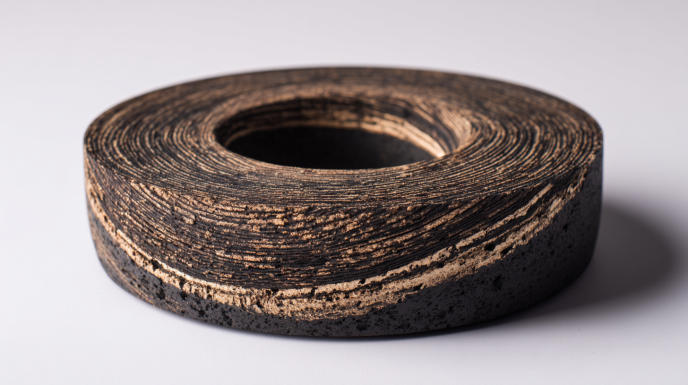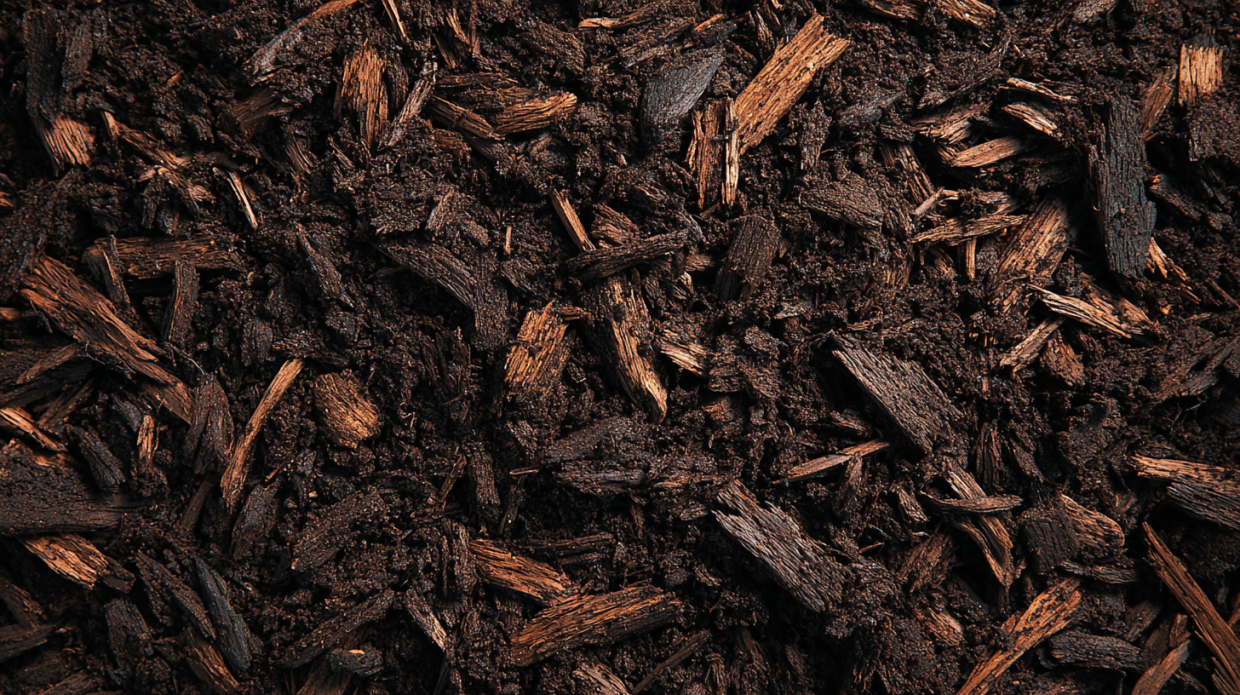
Shredded Rubber Mulch
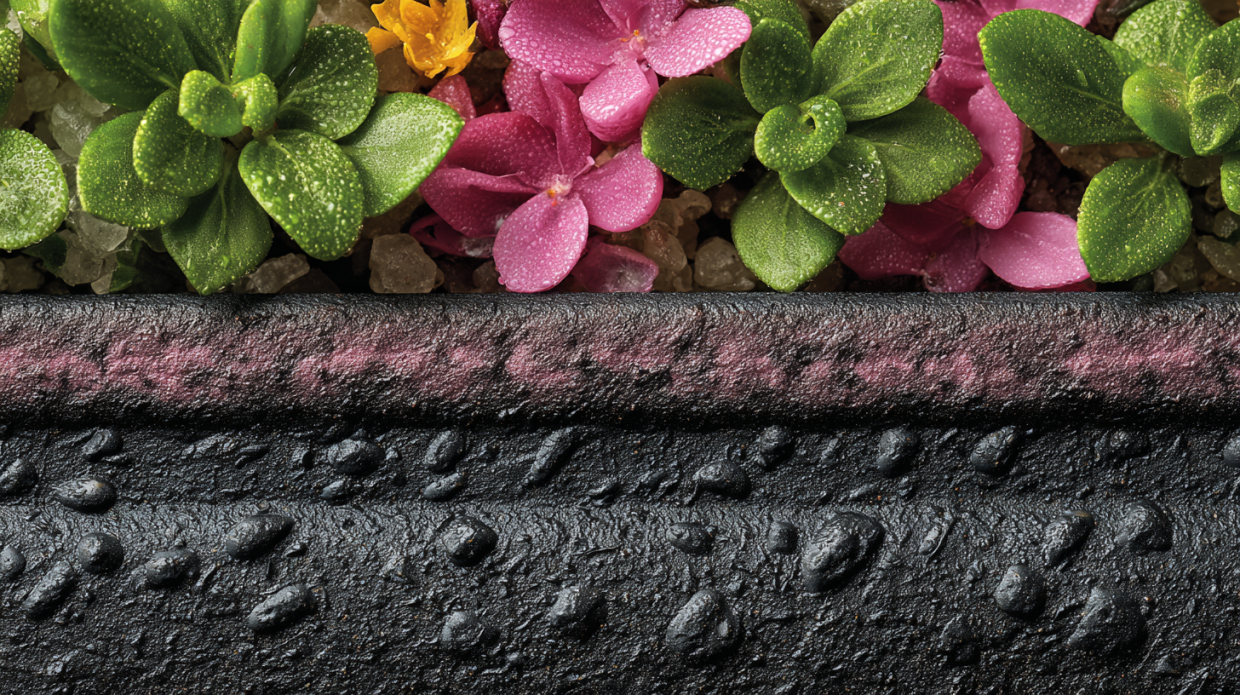
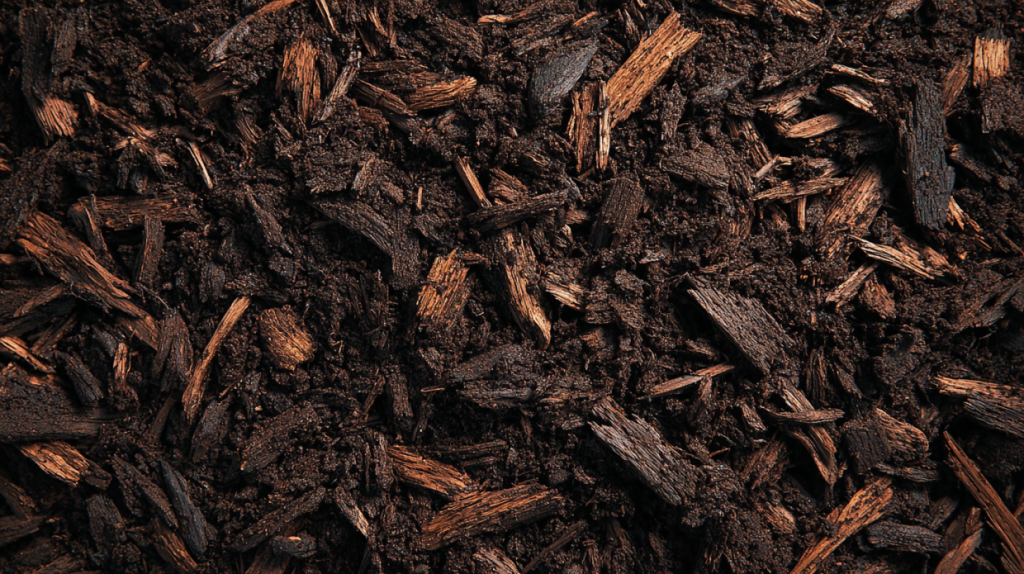
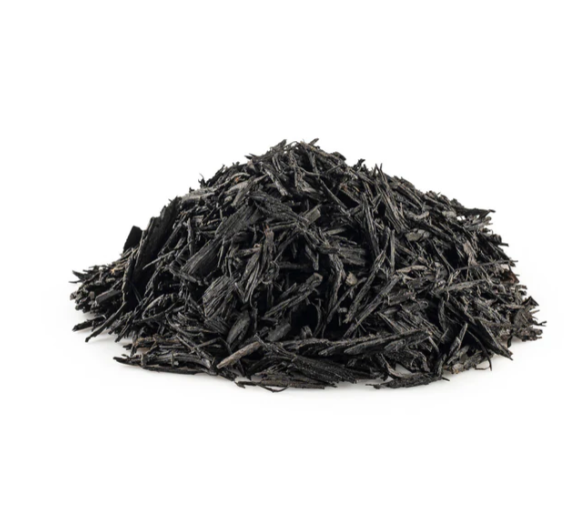
- Shredded rubber mulch looks like real wood mulch
- Each bag weighs 27 lbs and covers 1.5 cubic ft.
- Half pallet covers 450 sq feet at 1 inch depth and 225 sq feet at 2 inch depth
- Pallet covers 900 sq feet at 1 inch depth and 450 sq feet at 2 inch depth
From Discarded Tires to Garden Gold: The Sustainable Solution That’s Reshaping Outdoor Spaces Everywhere
Picture this: you’re standing in your garden center, surrounded by towering displays of traditional wood mulch, when something catches your eye. A sleek bag bearing vibrant colors and an intriguing promise – Rubberific mulch that claims to last longer, look better, and protect the environment all at once. Could it be too good to be true? Or have we finally discovered the holy grail of landscaping materials?
Welcome to the fascinating world of rubber mulch, where yesterday’s waste becomes today’s wonder. Rubberific mulch represents more than just another landscaping option; it’s a testament to human ingenuity and our evolving relationship with sustainability. This isn’t your grandfather’s garden mulch – it’s a high-tech, eco-conscious solution that’s quietly revolutionizing how we think about outdoor spaces.
The Science Behind the Magic: What Makes Rubberific Mulch Tick?
To truly appreciate Rubberific mulch, we need to understand its remarkable origin story. This isn’t some synthetic creation born in a laboratory – it’s the phoenix rising from the ashes of our automotive waste stream. Rubberific mulch is made primarily from recycled tires, specifically steel-belted radial tires that have reached the end of their road life.
The transformation process reads like something from a science fiction novel. Used tires undergo a sophisticated recycling procedure called ambient grinding, where they’re reduced to precise rubber granules. During this process, all steel belting and fabric components are meticulously removed, leaving behind pure, clean rubber particles. These particles are then sized, cleaned, and treated to create the final mulch product.
But here’s where it gets truly interesting – the rubber undergoes additional processing to ensure safety and performance. The material is washed multiple times to remove any residual contaminants, and specialized equipment ensures uniform particle size. The result? A product that maintains all the beneficial properties of rubber while eliminating any concerns about automotive residues.
The engineering behind Rubberific mulch extends to its composition ratios as well. Different formulations exist for different applications, with varying degrees of hardness and particle sizes optimized for specific uses. Playground-grade rubber mulch, for instance, features larger, softer particles designed for maximum impact absorption, while landscaping varieties prioritize aesthetic appeal and longevity.
Mastering the Art of Application: Your Complete Guide to Using Rubberific Mulch
Using Rubberific mulch in landscaping isn’t simply a matter of dumping and spreading – it’s an art form that, when mastered, transforms ordinary gardens into extraordinary showcases. The application process differs significantly from traditional organic mulches, requiring a slightly different approach but yielding superior results.
The foundation of successful Rubberific mulch application begins with proper soil preparation. Unlike wood mulch, which gradually decomposes and enriches soil, rubber mulch remains stable indefinitely. This means your initial soil preparation becomes even more critical. Start by addressing any drainage issues, amending soil with compost or organic matter, and establishing proper grade levels.
When applying Rubberific mulch, depth matters tremendously. For general landscaping applications, maintain a depth of 1.5 to 2 inches. This provides optimal weed suppression while allowing adequate water and air penetration. Around trees and shrubs, create a slight depression near the trunk, allowing the mulch to slope gently away – this prevents moisture accumulation against bark while maximizing coverage efficiency.
The installation technique itself requires finesse. Rather than simply dumping the mulch, distribute it in stages, working from the back of planted areas toward pathways. Use a rake with flexible tines to achieve even distribution, paying special attention to areas around plant bases where precision matters most. The goal is creating a uniform surface that looks natural while providing consistent coverage.
For areas with significant slopes, Rubberific mulch offers unique advantages due to its weight and interlocking properties. However, installation on slopes requires additional consideration. Work from the bottom up, compacting each section slightly as you progress. The rubber particles naturally nestle together, creating a stable surface that resists erosion far better than organic alternatives.
The Remarkable Benefits That Set Rubberific Mulch Apart
The advantages of Rubberific mulch extend far beyond simple ground cover – they represent a paradigm shift in how we approach landscape maintenance and environmental stewardship. Understanding these benefits illuminates why forward-thinking property owners are making the switch from traditional materials.
Longevity stands as perhaps the most compelling advantage. While wood mulch requires annual replacement, costing homeowners time and money season after season, Rubberific mulch maintains its appearance and functionality for decades. This isn’t hyperbole – properly installed rubber mulch can last 10-12 years without replacement, making it a true investment rather than an ongoing expense.
The color retention properties of Rubberific mulch deserve special attention. Traditional wood mulch fades within months, requiring regular refreshing to maintain curb appeal. Rubber mulch, however, incorporates colorants during manufacturing that resist UV degradation. The result? Landscapes that look professionally maintained year-round without the associated labor investment.
Moisture retention represents another significant benefit. Rubberific mulch creates an effective barrier that reduces evaporation while allowing controlled water penetration. This translates to healthier plants and reduced irrigation costs. The material’s thermal properties also moderate soil temperatures, protecting root systems from extreme heat in summer and insulating against frost damage in winter.
Perhaps most importantly, Rubberific mulch eliminates the pest harboring issues associated with organic mulches. Wood mulch creates ideal environments for termites, ants, and various fungal organisms. Rubber mulch provides no nutritional value to these pests, effectively eliminating infestations while maintaining all desired mulching benefits.
The maintenance advantages cannot be overstated. Rubberific mulch requires minimal ongoing care – occasional raking to maintain appearance and periodic cleaning with water when necessary. Compare this to organic mulch, which requires regular replacement, pest management, and constant monitoring for decomposition issues.
Safety First: Addressing Concerns About Children and Pets
When it comes to Rubberific mulch and safety, particularly around children and pets, the research paints a reassuring picture backed by extensive testing and real-world application data. Understanding these safety considerations helps parents and pet owners make informed decisions about their outdoor spaces.
Rubberific mulch undergoes rigorous safety testing throughout the manufacturing process. Independent laboratories test for heavy metals, volatile organic compounds, and other potential contaminants. The results consistently show levels well below regulatory limits established for consumer products. This testing isn’t a one-time occurrence – it’s an ongoing process that ensures batch-to-batch consistency and safety.
For playground applications, Rubberific mulch actually exceeds safety standards compared to traditional alternatives. The material provides superior impact absorption, reducing injury risk from falls. The Consumer Product Safety Commission recognizes rubber mulch as an acceptable playground surfacing material when properly installed and maintained.
Regarding pets, the concerns often center around ingestion possibilities. While no mulch should be consumed in large quantities, Rubberific mulch presents minimal risk. The particle size and composition make accidental ingestion unlikely, and the material passes through digestive systems without causing blockages. Veterinary toxicologists have reviewed the composition and confirmed its safety profile for typical pet exposure scenarios.
The absence of toxic chemicals or treatments in Rubberific mulch eliminates many concerns associated with treated wood mulches. No fungicides, pesticides, or preservatives leach into surrounding soil or present exposure risks to children or pets playing in treated areas.
Heat retention represents one consideration worth addressing. Dark-colored rubber mulch can become quite warm under direct sunlight, potentially causing discomfort for bare feet or paws. This issue is easily managed through color selection and strategic shading, making it a minor consideration in overall safety assessment.
The Economics of Excellence: Understanding Rubberific Mulch Costs and Value
The financial aspects of Rubberific mulch require a nuanced understanding that goes beyond simple per-bag pricing. While the initial investment typically exceeds that of traditional wood mulch, the economic equation changes dramatically when viewed through a long-term lens.
Rubberific mulch generally costs between $3.50 to $7.00 per bag, depending on color, quantity, and regional availability. Each bag typically covers 12-15 square feet at recommended depth, making coverage calculations straightforward. Compare this to premium wood mulch at $3.00-$5.00 per bag with similar coverage, and the initial price differential appears modest.
However, the true economic advantage emerges over time. Traditional wood mulch requires annual replacement, creating recurring costs that compound rapidly. Over a typical 10-year period, homeowners using wood mulch might purchase 10-12 applications, while Rubberific mulch requires only the initial investment. This represents savings of $300-$800 for average residential applications.
The labor component amplifies these savings significantly. Installing mulch annually requires substantial time investment – clearing old material, purchasing new supplies, and spreading fresh mulch. Rubberific mulch eliminates this annual cycle, freeing weekends for more enjoyable activities while maintaining superior landscape appearance.
Professional landscaping costs provide another perspective. Contractors typically charge $75-$125 per cubic yard for mulch installation. The reduced frequency of Rubberific mulch replacement translates to substantial labor savings for properties using professional maintenance services.
Availability and Accessibility: Where to Source Rubberific Mulch
Finding Rubberific mulch has become increasingly straightforward as awareness and demand continue growing. The distribution network has expanded significantly, making this innovative material accessible to homeowners and professionals across diverse markets.
Major home improvement retailers now stock Rubberific mulch alongside traditional options. Home Depot, Lowe’s, and Menards carry various colors and formulations, making comparison shopping convenient. These retailers often provide seasonal promotions and bulk purchasing options that improve overall value propositions.
Independent garden centers frequently offer Rubberific mulch with the added benefit of expert consultation. Staff at specialized nurseries can provide application guidance and color recommendations based on specific landscape goals and regional considerations.
Online purchasing has opened additional avenues for Rubberific mulch acquisition. Various e-commerce platforms offer home delivery, which proves particularly valuable for large projects or customers in rural areas with limited local availability. Bulk purchasing through online channels often yields significant per-unit savings.
Landscape supply companies increasingly stock Rubberific mulch for professional contractors and large-scale applications. These suppliers often provide delivery services and volume discounts that make commercial applications economically attractive.
The expanding availability reflects growing market acceptance and demonstrates the material’s transition from specialty product to mainstream landscaping solution.
Head-to-Head Comparison: Rubberific Mulch Versus Traditional Wood Mulch
The comparison between Rubberific mulch and traditional wood mulch reveals fascinating contrasts that illuminate why many property owners are making the transition. This analysis extends beyond simple feature comparisons to examine real-world performance differences.
Longevity represents the most stark contrast. Wood mulch begins decomposing immediately after installation, losing color and structure within months. Rubberific mulch maintains its appearance and functionality for years without degradation. This difference fundamentally changes the maintenance equation and long-term satisfaction with landscaping investments.
Color stability provides another dramatic distinction. Wood mulch fades rapidly under UV exposure, creating the familiar gray, weathered appearance that necessitates frequent replacement. Rubberific mulch incorporates UV-resistant colorants that maintain vibrancy season after season, ensuring landscapes look professionally maintained continuously.
Pest resistance offers compelling advantages for Rubberific mulch. Wood mulch provides ideal habitat for termites, carpenter ants, and various fungal organisms that can threaten nearby structures and plants. Rubber mulch offers no nutritional value to these pests, effectively eliminating infestation risks while maintaining all desired mulching benefits.
Water management characteristics differ significantly between materials. Wood mulch initially repels water until saturated, then holds moisture against plant stems, potentially causing rot issues. Rubberific mulch allows controlled water penetration while preventing excessive moisture accumulation, creating optimal conditions for plant health.
Installation and maintenance requirements vary considerably. Wood mulch requires annual removal and replacement, creating ongoing labor demands and disposal challenges. Rubberific mulch requires minimal maintenance beyond occasional raking and cleaning, dramatically reducing long-term labor investments.
The environmental implications present interesting trade-offs. Wood mulch represents a renewable resource but requires tree harvesting and processing. Rubberific mulch diverts tires from landfills while eliminating ongoing harvesting requirements, presenting different but valid sustainability arguments.
Weed War Victory: How Rubberific Mulch Conquers Unwanted Growth
Weed prevention represents one of the most compelling reasons homeowners choose Rubberific mulch, and the material’s performance in this critical area often exceeds expectations. Understanding how rubber mulch suppresses weed growth illuminates its value proposition for maintenance-conscious property owners.
Rubberific mulch creates an exceptionally effective barrier against weed germination and establishment. The dense interlocking of rubber particles forms a physical barrier that prevents light penetration to soil level, effectively starving potential weeds of the energy needed for photosynthesis and growth.
Unlike organic mulches that decompose and create nutrient-rich environments for weed seeds, Rubberific mulch provides no nutritional value to support unwanted plant growth. This inert quality means the mulch doesn’t contribute to the very problems it’s designed to solve, maintaining consistent weed suppression over time.
The thermal properties of Rubberific mulch contribute additional weed control benefits. The material moderates soil temperatures, preventing the temperature fluctuations that trigger seed germination in many common weed species. This passive control mechanism works continuously without requiring ongoing intervention.
Installation depth significantly impacts weed prevention effectiveness. Rubberific mulch applied at recommended depths of 1.5-2 inches creates nearly impenetrable barriers for most weed species. Thinner applications may allow some breakthrough, while excessive depth can impede water and air movement to desired plants.
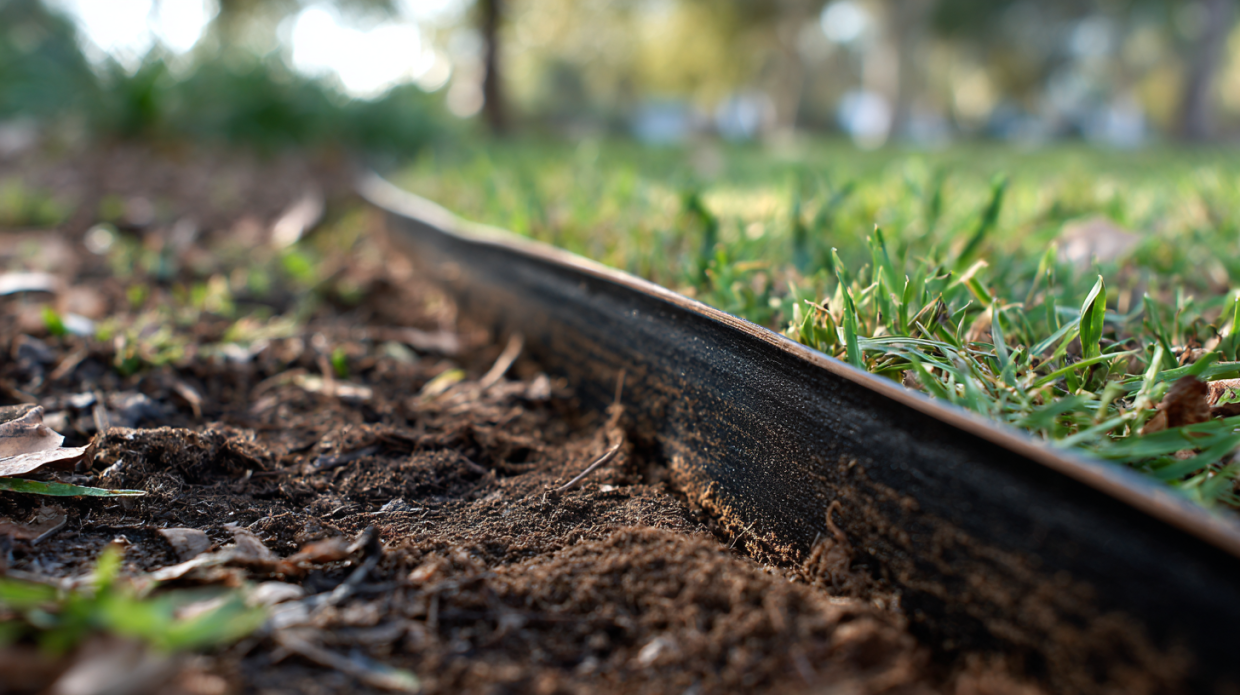
Edge detail attention proves crucial for maximizing weed prevention benefits. Rubberific mulch works best when installed with proper edging or barriers that prevent lateral weed encroachment. Professional installation techniques include creating defined borders that maintain mulch placement while preventing edge deterioration.
The long-term weed suppression provided by Rubberific mulch translates to substantial labor savings. Property owners report dramatic reductions in weeding requirements, with many areas requiring only occasional spot treatment rather than regular cultivation and herbicide application.
Environmental Champion: The Eco-Friendly Story of Rubberific Mulch
The environmental credentials of Rubberific mulch present a compelling narrative of waste transformation and resource conservation that resonates with environmentally conscious consumers. This story extends far beyond simple recycling to encompass broader sustainability implications.
Rubberific mulch diverts approximately 2,000 tires from landfills with every ton of production. Given that discarded tires represent significant environmental challenges – they don’t decompose naturally and can harbor disease vectors – this diversion provides measurable environmental benefits. The scale becomes impressive when considering that a typical residential landscaping project might divert 50-100 tires from waste streams.
The manufacturing process itself demonstrates environmental responsibility. Modern tire recycling facilities operate with closed-loop systems that minimize waste and energy consumption. The ambient grinding process used to create Rubberific mulch requires less energy than many alternative recycling methods while producing higher-quality end products.
Carbon footprint considerations favor Rubberific mulch when lifecycle analysis includes transportation and replacement requirements. While initial manufacturing energy requirements exist, the longevity of rubber mulch eliminates repeated transportation and replacement cycles associated with organic alternatives. Over 10-year periods, the carbon footprint advantages become substantial.
Forest conservation represents an often-overlooked environmental benefit. Traditional wood mulch consumption requires significant tree harvesting, even when sourced from forestry byproducts. Rubberific mulch eliminates this demand entirely, helping preserve forest resources for other applications and natural habitat maintenance.
Water conservation benefits emerge through improved moisture retention and reduced irrigation requirements. Properties using Rubberific mulch typically demonstrate 20-30% reductions in supplemental watering needs, translating to meaningful water savings in water-stressed regions.
The elimination of chemical treatments provides additional environmental advantages. Many wood mulches undergo treatment with fungicides, pesticides, or preservatives that can leach into surrounding soils and water systems. Rubberific mulch requires no such treatments, eliminating potential contamination risks.
The Longevity Legend: Understanding Rubberific Mulch Lifespan
The exceptional lifespan of Rubberific mulch represents one of its most attractive features, fundamentally changing the economics and convenience of landscape maintenance. Understanding what contributes to this longevity helps property owners maximize their investment value.
Rubberific mulch typically maintains its appearance and functionality for 10-12 years under normal conditions. This estimate assumes proper installation, appropriate depth, and reasonable maintenance practices. Some installations in protected environments have shown excellent performance well beyond these timeframes.
The material composition contributes significantly to longevity expectations. High-quality rubber maintains its physical properties indefinitely when not subjected to extreme conditions. The particle size and shape of Rubberific mulch resist breakdown under foot traffic and weather exposure, maintaining structural integrity that organic mulches cannot match.
UV resistance plays a crucial role in longevity performance. Rubberific mulch incorporates UV stabilizers during manufacturing that protect both the rubber material and integrated colorants. This protection prevents the brittleness and fading that might otherwise limit useful life in outdoor applications.
Temperature cycling, while challenging for many materials, doesn’t significantly impact Rubberific mulch performance. The material’s flexibility allows expansion and contraction without cracking or deterioration. This thermal stability proves particularly important in climates with significant seasonal temperature variations.
Maintenance practices directly influence longevity outcomes. Rubberific mulch that receives occasional raking and cleaning maintains optimal appearance and performance throughout its useful life. Neglected installations may experience reduced aesthetic appeal while retaining functional benefits.
Replacement indicators help property owners optimize timing for refresh applications. While Rubberific mulch doesn’t “wear out” in traditional senses, visual appearance changes and gradual particle migration may eventually warrant supplementation or replacement in high-visibility areas.
Fade-Resistant Beauty: Color Retention Technology in Rubberific Mulch
The color stability of Rubberific mulch represents a technological achievement that addresses one of the most common frustrations with traditional landscaping materials. Understanding how this color retention works illuminates the engineering sophistication behind seemingly simple products.
Rubberific mulch achieves superior color retention through integrated colorant technology that bonds pigments directly to rubber particles during manufacturing. This process ensures uniform color distribution while creating molecular bonds that resist environmental degradation.
UV resistance forms the foundation of color stability. Rubberific mulch incorporates specialized UV inhibitors that protect colorants from photodegradation. These inhibitors work by absorbing harmful UV radiation and converting it to harmless heat energy, preventing the molecular changes that cause fading in untreated materials.
The manufacturing process itself contributes to color longevity. Colorants are added during the grinding process, ensuring complete integration with rubber particles. This thorough mixing creates consistent color depth that maintains appearance even as surface particles experience wear.
Quality control measures ensure batch-to-batch color consistency. Rubberific mulch production includes spectrophotometric analysis that verifies color matching and UV resistance levels. This testing helps maintain the color integrity that customers expect across different production runs.
Real-world performance data supports color retention claims. Independent testing shows Rubberific mulch maintaining 85-90% of original color intensity after five years of outdoor exposure. Traditional wood mulches typically lose most color within the first season, highlighting the dramatic performance difference.
Environmental factors that affect color retention include UV exposure intensity, moisture levels, and temperature extremes. Rubberific mulch performs well across diverse climate conditions, though some gradual color evolution occurs in extreme environments. Desert installations may show more color change than temperate climate applications.
A Rainbow of Possibilities: Rubberific Mulch Color Options
The color selection available in Rubberific mulch opens creative possibilities that extend far beyond traditional landscaping limitations. This palette allows property owners to coordinate landscapes with architectural features while expressing personal aesthetic preferences.
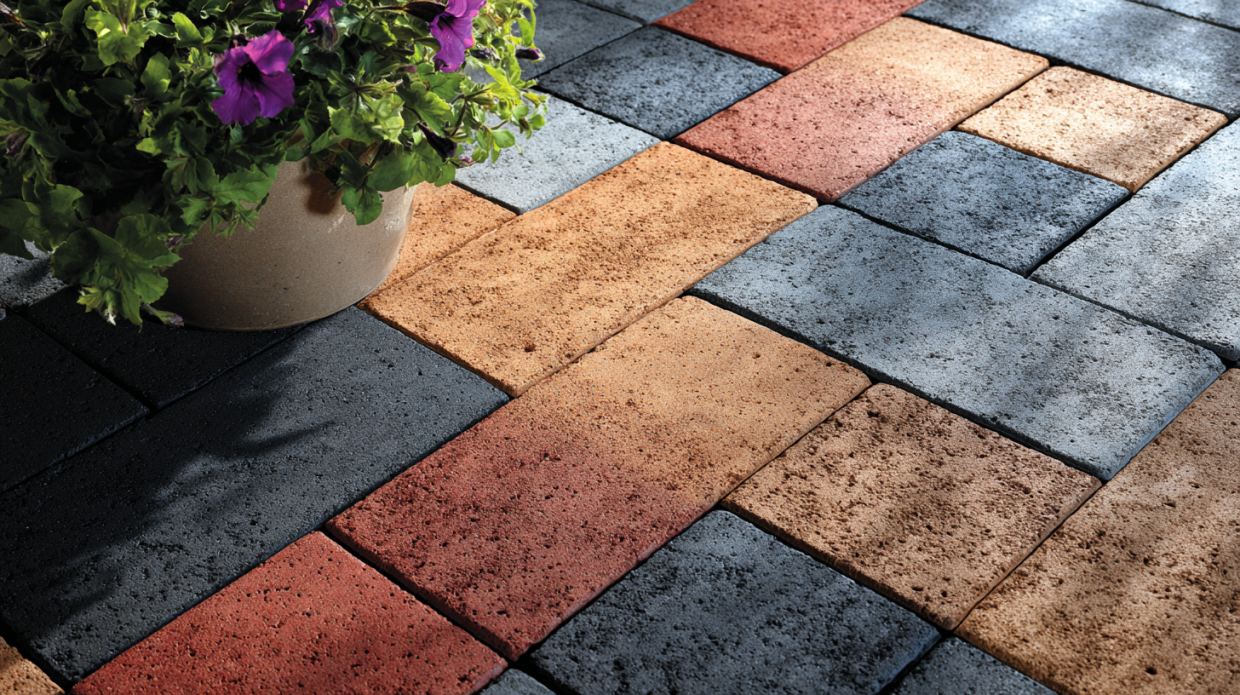
Rubberific mulch is available in numerous colors including red, brown, black, cedar, and specialty hues that complement diverse landscape designs. Each color option maintains the same performance characteristics while providing distinct aesthetic impacts on overall property appearance.
Red Rubberific mulch offers bold visual impact that complements brick architecture and autumn plantings. This vibrant option creates striking contrast with green foliage while maintaining professional appearance throughout growing seasons. The red coloration proves particularly effective in formal garden settings and commercial applications seeking visual distinction.
Brown variations provide natural appearances that blend seamlessly with traditional landscape designs. Rubberific mulch in brown tones offers the familiar aesthetics of wood mulch while delivering superior performance characteristics. These options satisfy property owners seeking innovation without dramatic aesthetic departure from conventional approaches.
Black Rubberific mulch creates sophisticated, contemporary appearances that highlight plant materials through dramatic contrast. This option proves particularly effective with modern architectural styles and minimalist garden designs. The black coloration also provides excellent heat absorption for extending growing seasons in cooler climates.
Cedar-toned Rubberific mulch replicates the popular appearance of cedar bark mulch while eliminating associated maintenance requirements. This option appeals to property owners who appreciate traditional cedar aesthetics but prefer modern performance characteristics.
Specialty colors and custom formulations expand possibilities for unique applications. Some manufacturers offer gray tones, deep burgundy options, and even colored blends that create subtle variation within installed areas. These specialty options often require minimum order quantities but provide exceptional customization opportunities.
Color selection considerations include architectural compatibility, plant material coordination, and long-term aesthetic goals. Rubberific mulch colors maintain their appearance for years, making initial selection decisions particularly important for overall satisfaction with landscaping investments.
Storm-Proof Performance: How Rubberific Mulch Handles Severe Weather
The weather resistance of Rubberific mulch provides significant advantages over traditional alternatives, particularly in regions prone to severe weather events. Understanding these performance characteristics helps property owners prepare for and recover from challenging weather conditions.
Rubberific mulch demonstrates exceptional wind resistance due to its weight and interlocking properties. Individual particles weigh more than wood mulch pieces, requiring higher wind speeds to become airborne. Additionally, the irregular shapes of rubber particles create mechanical interlocking that further improves wind stability.
Storm preparation with Rubberific mulch requires minimal intervention compared to organic alternatives. Wood mulch often requires pre-storm removal or securing to prevent projectile hazards and post-storm cleanup challenges. Rubber mulch typically remains in place during severe weather, reducing preparation time and post-storm maintenance requirements.
Heavy rainfall performance showcases Rubberific mulch advantages in moisture management. The material allows controlled water penetration while resisting displacement, maintaining coverage integrity during intense precipitation events. This stability prevents erosion issues common with displaced organic mulches.
Hail resistance represents another significant advantage. Rubberific mulch withstands hail impact without the fragmentation issues that affect wood mulch. Post-hail cleanup involves simple raking rather than complete replacement, saving time and money after severe weather events.
Hurricane and tornado recovery benefits from Rubberific mulch stability and durability. Properties using rubber mulch typically require less post-storm landscape restoration, allowing quicker recovery and reduced insurance claims. The material’s resistance to moisture absorption also prevents mold and decay issues during extended post-storm cleanup periods.
Snow and ice performance demonstrates Rubberific mulch flexibility under extreme conditions. The material remains flexible at low temperatures, preventing the brittleness that might cause cracking or displacement. Snow removal equipment can operate over rubber mulch without causing damage to underlying surfaces.
Playground Paradise: Rubberific Mulch in Recreational Applications
The use of Rubberific mulch in playground applications represents one of its most important safety contributions, providing superior impact absorption while maintaining the aesthetic and practical benefits desired in recreational spaces.
Rubberific mulch exceeds safety standards for playground surfacing when properly installed and maintained. The material provides critical fall height protection that can prevent serious injuries from playground equipment use. Consumer Product Safety Commission guidelines recognize rubber mulch as an acceptable playground surface material.
Impact absorption testing demonstrates Rubberific mulch superiority over traditional alternatives. The material compresses under impact while maintaining resilience, absorbing energy that would otherwise transfer to falling children. This performance characteristic makes it particularly valuable under swing sets, slides, and climbing structures.
Installation specifications for playground applications require greater attention to depth and coverage consistency. Rubberific mulch for playgrounds typically requires 6-inch depth for equipment with fall heights up to 10 feet. Professional installation ensures proper compaction and edge containment for optimal safety performance.
Maintenance requirements for playground Rubberific mulch include regular depth checks and redistribution to maintain consistent coverage. High-traffic areas may require periodic supplementation to maintain required depths. However, this maintenance proves far less intensive than organic alternatives that decompose and require complete replacement.
Accessibility compliance benefits from Rubberific mulch stability and surface consistency. The material provides firm, stable surfaces that accommodate wheelchair and mobility aid use while maintaining required impact absorption properties. This dual functionality proves valuable for inclusive playground design.
Color options for playground Rubberific mulch allow creative zoning and safety enhancement. Bright colors can delineate play areas while providing visual interest that engages children. Some installations use multiple colors to create patterns or designate specific use zones within playground areas.
Maintenance Made Simple: Caring for Your Rubberific Mulch Investment
The maintenance requirements for Rubberific mulch represent a dramatic simplification compared to traditional alternatives, though understanding proper care techniques ensures optimal performance and appearance throughout its useful life.
Rubberific mulch requires minimal ongoing maintenance consisting primarily of occasional raking and cleaning activities. This reduced maintenance burden frees property owners from the annual mulch replacement cycle while maintaining superior landscape appearance.
Routine maintenance begins with periodic raking to redistribute particles and maintain even coverage. This activity proves particularly important in high-traffic areas where foot traffic may cause gradual displacement. Use flexible-tine rakes to avoid damage while achieving effective redistribution.
Cleaning procedures for Rubberific mulch involve simple water application using garden hoses or pressure washers. This cleaning removes accumulated dust, pollen, and organic debris that can detract from appearance. Most installations benefit from annual or semi-annual cleaning, depending on environmental conditions and aesthetic requirements.
Leaf management during fall seasons requires different approaches than with organic mulches. Rubberific mulch allows easy leaf removal using rakes, blowers, or collection equipment without risking mulch displacement. The stable nature of rubber particles means leaves can be removed efficiently without disturbing underlying coverage.
Weed management with Rubberific mulch involves spot treatment of occasional breakthrough weeds rather than systematic cultivation. Hand-pulling or targeted herbicide application addresses isolated weed issues while maintaining mulch integrity. The superior weed suppression of rubber mulch dramatically reduces these maintenance requirements.
Edge maintenance ensures continued effectiveness and appearance. Rubberific mulch benefits from defined edges that prevent lateral migration and maintain clean appearance lines. Periodic edge redefinition using edging tools or barriers keeps installations looking professionally maintained.
Supplementation schedules depend on installation conditions and aesthetic requirements. While Rubberific mulch doesn’t decompose like organic alternatives, some particle migration occurs over time. High-traffic or highly visible areas may benefit from periodic supplementation to maintain optimal appearance.
Water Wisdom: How Rubberific Mulch Manages Moisture
The water management properties of Rubberific mulch provide significant advantages for plant health and irrigation efficiency, creating optimal growing conditions while reducing maintenance requirements and water consumption.
Rubberific mulch allows controlled water penetration while preventing excessive evaporation from soil surfaces. This balanced approach ensures adequate moisture reaches plant roots while eliminating the water-logging issues associated with some organic mulches.
Infiltration rates through Rubberific mulch prove optimal for most landscaping applications. The particle size and arrangement allow steady water penetration during irrigation or rainfall while preventing rapid runoff that might occur with poorly designed ground covers. This controlled infiltration maximizes water utilization efficiency.
Moisture retention benefits from Rubberific mulch create more stable growing conditions for landscape plants. The mulch layer moderates soil moisture levels, reducing stress from wet-dry cycles that can challenge plant health. This stability proves particularly valuable during transitional seasons and drought periods.
Drainage considerations with Rubberific mulch require attention to underlying soil conditions and installation techniques. The mulch itself doesn’t impede drainage, but proper grading remains important for preventing standing water issues. Installations over clay soils may require additional drainage amendments for optimal performance.
Irrigation system compatibility with Rubberific mulch allows continued use of existing sprinkler or drip irrigation equipment. The material doesn’t interfere with spray patterns or emitter function while providing improved water distribution and reduced evaporation losses.
Temperature moderation from Rubberific mulch helps maintain consistent soil moisture levels by reducing evaporation rates. The insulating properties keep soil cooler during hot periods, reducing plant water stress and irrigation requirements. This thermal regulation proves particularly valuable in arid climates.
Coverage Calculations: Maximizing Your Rubberific Mulch Investment
Understanding coverage calculations for Rubberific mulch ensures accurate purchasing decisions and optimal installation results while maximizing value from landscaping investments.
One bag of Rubberific mulch typically covers 12-15 square feet at recommended depth of 1.5-2 inches. This coverage estimate provides baseline calculations for most residential landscaping applications, though specific coverage may vary based on installation techniques and desired depth.
Measurement techniques for accurate calculations begin with precise area determination. Measure length and width of rectangular areas, or use radius measurements for circular installations. Complex shapes require breaking into simpler geometric forms for accurate calculation. Always add 10-15% to calculated requirements to account for installation variables and future touch-up needs.
Depth requirements significantly impact coverage calculations and overall project costs. Rubberific mulch performs optimally at depths between 1.5-2 inches for landscaping applications. Playground installations require greater depths, typically 4-6 inches depending on equipment fall heights and safety requirements.
Bulk purchasing considerations can improve overall project economics. Rubberific mulch often costs less per unit when purchased in larger quantities, making accurate coverage calculations particularly important for cost optimization. Some suppliers offer delivery services for large orders that further improve convenience and value.
Installation waste factors should be included in coverage calculations. Even careful installations typically experience some waste from cutting around obstacles, uneven terrain, and edge finishing requirements. Professional installers typically add 15-20% to calculated requirements to ensure adequate material availability.
Supplementation planning benefits from understanding initial coverage calculations and material requirements. Future touch-up or expansion projects can reference initial calculations for consistent appearance and coverage depth. Keeping records of coverage calculations and purchase quantities helps with long-term maintenance planning.
Garden Harmony: Using Rubberific Mulch Around Vegetables and Edibles
The application of Rubberific mulch around vegetable gardens and edible landscaping raises important considerations about safety, soil health, and plant compatibility that deserve careful evaluation.
Rubberific mulch can be used around vegetable gardens with appropriate installation techniques and spacing considerations. The material provides excellent weed suppression and moisture retention benefits that can improve vegetable production while reducing maintenance requirements.
Safety considerations for edible applications focus on preventing direct contact between Rubberific mulch and food crops. Installation techniques should maintain separation between mulch and plant stems while ensuring adequate air circulation around plants. This spacing prevents any potential for material migration to edible portions of plants.
Soil health implications from Rubberific mulch differ significantly from organic alternatives. The inert nature of rubber mulch means it doesn’t contribute nutrients to soil systems, requiring gardeners to maintain soil fertility through other amendments and fertilization programs.
Heat considerations prove particularly important for vegetable applications. Dark-colored Rubberific mulch can increase soil temperatures, which may benefit cool-season crops in spring but could stress warm-season vegetables during peak summer. Light-colored options or strategic shading help manage thermal impacts.
Alternative applications around vegetable gardens include pathway and border installations. Rubberific mulch proves excellent for walking paths between raised beds, providing clean, stable surfaces that don’t track mud or organic debris into growing areas. Border applications can define garden spaces while providing desired aesthetic benefits.
Organic certification considerations typically preclude Rubberific mulch use in certified organic production systems. Gardeners pursuing organic certification should verify compliance requirements with certifying agencies before installation. However, the material may be acceptable for pathway and border applications that don’t directly impact growing areas.
Real-World Results: Reviews and Testimonials
The growing body of user experiences with Rubberific mulch provides valuable insights into real-world performance and satisfaction levels across diverse applications and climates.
Professional landscapers report high client satisfaction with Rubberific mulch installations, particularly citing reduced maintenance requirements and sustained appearance quality. Many contractors have incorporated rubber mulch into standard service offerings due to client demand and performance benefits.
Homeowner testimonials frequently emphasize the labor savings and long-term value of Rubberific mulch. Property owners consistently report dramatic reductions in annual mulch replacement costs and associated labor requirements. Many describe the initial investment as transformative for landscape maintenance routines.
Commercial property managers praise Rubberific mulch for its professional appearance and reduced maintenance demands. Shopping centers, office complexes, and public facilities report improved landscape appearance consistency and reduced maintenance budgets following conversion to rubber mulch systems.
Playground operators provide particularly positive feedback regarding safety and maintenance benefits. Schools and municipal recreation departments report reduced injury rates and maintenance costs following Rubberific mulch installations. The material’s durability under heavy use conditions proves especially valuable in these applications.
Climate-specific experiences demonstrate Rubberific mulch versatility across diverse environmental conditions. Users in desert climates report excellent heat tolerance and wind resistance, while those in humid regions praise the material’s resistance to mold and decay issues that plague organic alternatives.
Long-term users provide valuable perspectives on durability and performance evolution. Properties with 5+ year installations consistently report maintained appearance and functionality, validating longevity claims and reinforcing value propositions for new users considering conversion.
Pest-Proof Protection: Natural Resistance Benefits
The pest resistance characteristics of Rubberific mulch provide significant advantages over organic alternatives, eliminating common problems while maintaining all desired landscaping benefits.
Rubberific mulch offers natural resistance to termites, ants, and other insects that commonly infest organic mulches. The inert nature of rubber provides no nutritional value to these pests, effectively eliminating the habitat conditions they require for establishment and reproduction.
Termite prevention represents one of the most valuable pest resistance benefits. Traditional wood mulch can attract termite colonies and provide pathways to nearby structures. Rubberific mulch eliminates these risks entirely, providing peace of mind for property owners concerned about structural pest threats.
Rodent deterrent properties emerge from the material’s texture and lack of nutritional value. Unlike organic mulches that can harbor rodents and provide food sources, Rubberific mulch offers no attraction for mice, rats, or other small mammals seeking shelter and sustenance.
Fungal resistance prevents the mold and mildew issues common with organic mulches in humid conditions. Rubberific mulch doesn’t support fungal growth, eliminating spore production and associated health concerns. This resistance proves particularly valuable for properties with individuals sensitive to mold exposure.
Snake deterrent claims require careful evaluation, as evidence supporting these benefits remains largely anecdotal. While Rubberific mulch doesn’t provide the cover that snakes might prefer, it shouldn’t be relied upon as a primary snake deterrent strategy. Proper habitat management and exclusion techniques provide more reliable snake control.
The Future is Here: Embracing the Rubberific Revolution
As we reach the conclusion of our comprehensive exploration of Rubberific mulch, the evidence points unmistakably toward a material that represents far more than just another landscaping option. This innovative solution embodies our evolving understanding of sustainability, efficiency, and environmental stewardship in the modern world.
The transformation of discarded tires into beautiful, functional landscape material tells a story of human ingenuity and environmental responsibility that resonates across multiple levels. From the individual homeowner seeking reduced maintenance burdens to commercial property managers requiring reliable, professional appearances, Rubberific mulch delivers solutions that align with contemporary needs and values.
The economic advantages become compelling when viewed through realistic timeframes. While initial costs may exceed traditional alternatives, the 10-12 year lifespan and minimal maintenance requirements create value propositions that improve with each passing season. Property owners who make the transition consistently report satisfaction levels that validate the investment decision.
Environmental benefits extend beyond simple recycling to encompass broader sustainability implications. The elimination of annual wood mulch replacement cycles reduces transportation impacts, processing energy, and forest resource demands while diverting problematic tire waste from landfills. This comprehensive environmental advantage addresses multiple ecological concerns simultaneously.
Safety considerations, thoroughly addressed through extensive testing and real-world application, demonstrate Rubberific mulch suitability for diverse applications including playgrounds and family landscapes. The material’s proven track record in high-safety applications provides confidence for residential use while offering superior performance characteristics.
The maintenance revolution that Rubberific mulch enables fundamentally changes the relationship between property owners and landscape care. The elimination of annual mulch replacement cycles frees time and resources for other priorities while maintaining superior aesthetic results. This efficiency gain proves particularly valuable as busy lifestyles demand more from landscaping investments.
Looking forward, the continued evolution of Rubberific mulch technology promises even greater benefits through improved formulations, expanded color options, and refined application techniques. As awareness grows and adoption increases, economies of scale will likely improve accessibility while maintaining quality standards.
The choice to embrace Rubberific mulch represents more than a simple material substitution – it embodies a commitment to innovation, sustainability, and efficient resource utilization. Properties featuring this remarkable material demonstrate forward-thinking approaches to landscape design while enjoying practical benefits that improve with time.
For property owners evaluating landscaping options, Rubberific mulch offers a compelling combination of immediate benefits and long-term value that traditional alternatives simply cannot match. The reduced maintenance, superior performance, and environmental advantages create win-win scenarios that benefit both individual property owners and broader environmental goals.
As we continue advancing toward more sustainable approaches to landscape management, Rubberific mulch stands as a proven example of how innovative thinking can transform waste streams into valuable solutions. The material’s success demonstrates that environmental responsibility and practical benefits need not be mutually exclusive – they can be powerfully combined to create superior outcomes.
The Rubberific mulch revolution is here, transforming landscapes one installation at a time while creating a more sustainable future for outdoor spaces everywhere. Whether you’re a homeowner seeking reduced maintenance, a commercial property manager requiring professional results, or an environmentally conscious individual wanting to make a positive impact, Rubberific mulch provides the solution that aligns with modern needs and values.
The question isn’t whether Rubberific mulch will continue gaining market share – it’s how quickly property owners will recognize the compelling advantages and make the transition to this superior landscaping solution. The future of landscape management is here, and it’s made from recycled tires transformed into garden gold.